
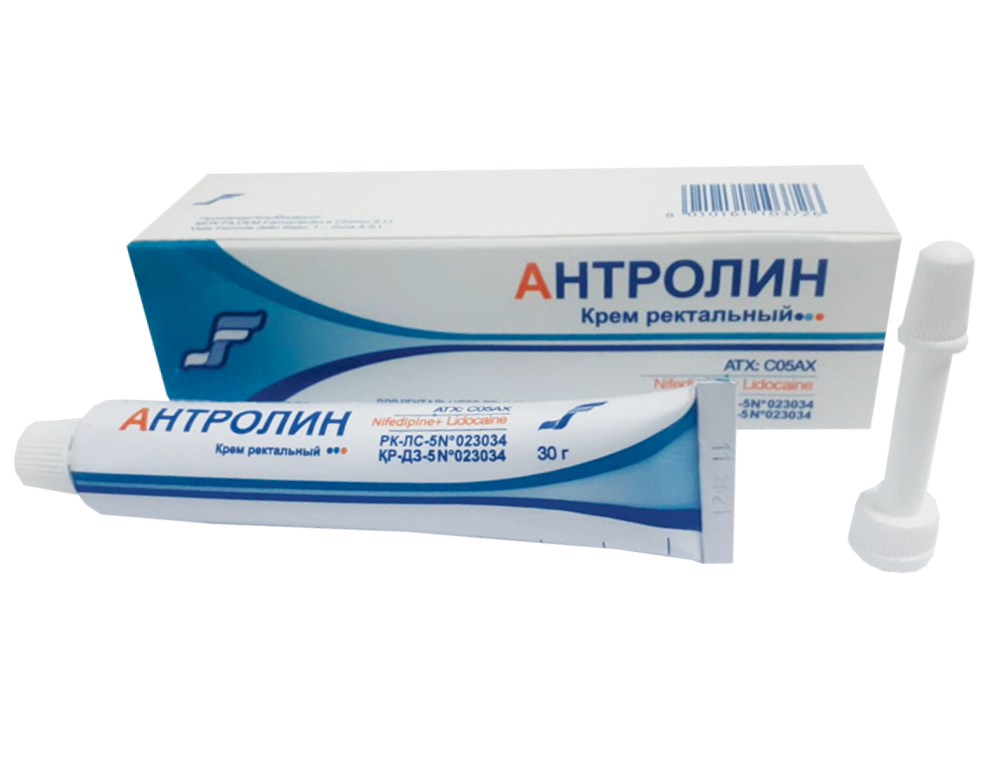
ANTROLIN RECTAL CREAM 30G
Field of Activity:
Application:
ANTROLIN International nonproprietary name No Dosage form Rectal cream 30 g Compound 100 g of cream contain active substances Nifedipine 0.3 g Lidocaine hydrochloride 1.5 g White paraffin, propylene glycol, medium chain triglycerides, macrogol stearate, cetostearyl alcohol, glyceryl monostearate, sodium methyl parahydroxybenzoate, propyl parahydroxybenzoate, purified water. Description Homogeneous yellow cream with a slight characteristic odor. Pharmacotherapeutic group Other antihemorrhoidal drugs for topical use. ATX code C05AX Pharmacological properties Pharmacokinetics The pharmacokinetic properties of ANTROLIN cream for rectal use were studied in healthy volunteers. Determination of active substances in the blood using an analytical method had negative results; Nifedipine was not detected in the blood serum In addition, only minimal traces of lidocaine were detected in 2 of 12 patients. These low concentrations are, however, well below those that are therapeutically effective following systemic administration. Therefore, the systemic effect of ANTROLIN cream as a result of absorption of active substances is excluded. To further confirm this, no adverse reactions caused by systemic absorption of the two active ingredients in the anorectal mucosa were observed during clinical studies. Lidocaine The absorption and bioavailability of lidocaine after rectal administration of the cream and suppository is about 30 and 24%, respectively. T1/2 of lidocaine from blood plasma is 1-2 hours. In the human body, lidocaine is metabolized by oxidative N-dealkylation, hydrolysis of the amide bond and hydroxylation of the aromatic ring with the formation of 4-hydroxy-2,6-xylidine, which is the main metabolite, and with 70% of the drug is excreted in the urine as this metabolite. Pharmacodynamics The mechanism of action of ANTROLIN cream for rectal use is of the synthetic type. Nifedipine, a dihydropyridine with calcium channel blocker activity, when applied topically, has a relaxing effect on peripheral smooth muscle. Nifedipine acts by reducing hypertonicity of the anal sphincter. Nifedipine acts together with lidocaine, a local anesthetic, which is also included in the drug. Lidocaine Lidocaine is a local anesthetic: pain relief is achieved by suppressing the formation and conduction of nerve impulses along afferent nerve fibers by depolarizing sodium channels. Indications for use - treatment of anal fissures and proctological diseases associated with hypertonicity of the anal sphincter. Directions for use and doses For endorectal and perianal use. Apply the cream twice daily for at least three weeks. Method of administration Lie on your left side, remove the cap from the tube and secure the cannula, squeeze out a small amount of cream to lubricate the cannula and insert it into the anus. Press the tube to squeeze out approximately one centimeter of cream (one centimeter contains approximately 2.5-3 g of cream). Contraindications - hypersensitivity to the active substances, in particular to lidocaine (and other local anesthetics of the amide type) or to any other excipients in the composition of the drug - suspected or confirmed pregnancy and breastfeeding - severe hypotension and heart failure - children and adolescents under 18 years of age (due to the lack of efficacy and safety data) Special instructions Treatment with ANTROLIN rectal cream may cause the effect of antihypertensive drugs due to the presence of nifedipine. Propanol prolongs the plasma half-life of lidocaine and increases plasma levels of nifedipine. Cimetidine may increase plasma levels of nifedipine and lidocaine. Concomitant use of ANTROLIN rectal cream in patients taking digoxin may result in increased plasma digoxin levels. Pregnancy and lactation Nifedipine and lidocaine cross the placental barrier and enter breast milk. Studies in rats and rabbits have shown that nifedipine may be teratogenic. Lidocaine has not been shown to pose any risk to the fetus. However, this drug is not recommended for pregnant and lactating women. Features of the effect of the drug on the ability to drive vehicles or potentially dangerous mechanisms Nifedipine, when taken orally with alcohol, may adversely affect the ability to react. ANTROLIN cream for rectal use is intended for topical use and acts locally. There is no reason to believe that this drug may affect the ability to control machinery. Treatment: in case of accidental ingestion, gastrointestinal lavage is recommended, as well as symptomatic supportive therapy. Release form and packaging 30 g of the drug in an aluminum tube, sealed with a cap. One tube, along with a cannula and instructions for use in the state and Russian languages, is placed in a cardboard box. Storage conditions In a dry place, protected from light, at a temperature not exceeding 25 ° C. Keep out of the reach of children! Shelf life 3 years After opening: 30 days Do not use after the expiration date indicated on the package. Conditions for dispensing from pharmacies On prescription Manufacturer New.Fa.Dem. S.r.l. Viale Ferrovie dello Stato Zona A.S.I., Giugliano in Campania (NA), Italy. Registration Certificate Holder New.Fa.Dem. S.r.l. Viale Ferrovie dello Stato Zona A.S.I., Giugliano in Campania (NA), Italy.
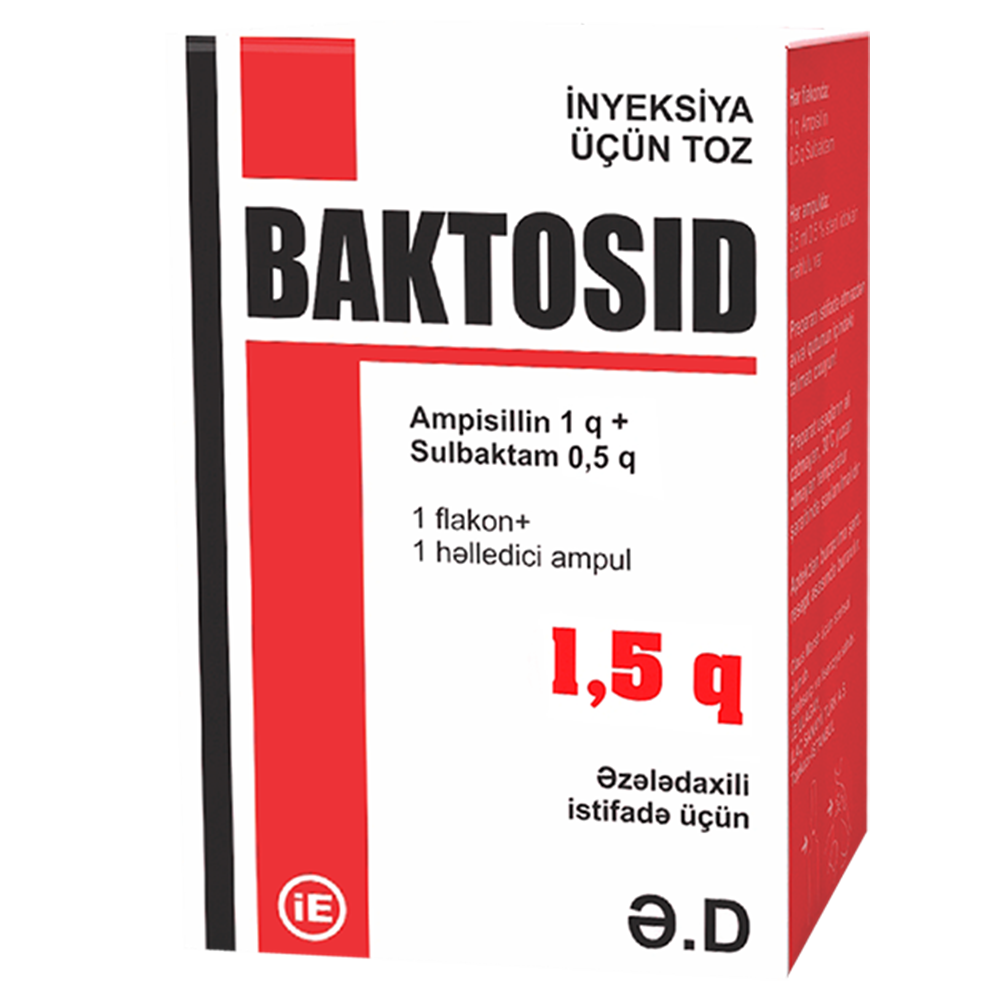
BAKTOSID 1,5g
Field of Activity:
Application:
INSTRUCTIONS FOR USE OF THE MEDICINE International nonproprietary name: Ampicillin/ Sulbactam Ingredients: ampicillin/sulbactam. Active ingredient: each bottle contains ampicillin sodium/sulbactam sodium in a ratio of 500 mg/250 mg or 1000 mg/500 mg. Excipient: Description: white powder and solvent in an ampoule for the preparation of a solution for intramuscular and intravenous injections in a glass bottle, sterile pyrogen preparation. Pharmacotherapeutic group: Beta-lactamase inhibitor and combination drug of a broad-spectrum penicillin antibiotic. ATS code: JO1CR01 Pharmacological properties: Pharmacodynamics: Semi-synthetic broad-spectrum ampicillin, a derivative of 6-aminopenicillic acid, has a bactericidal effect on gram(+) and gram(-) aerobes, as well as anaerobes. Ampicillin has a bactericidal effect due to inhibition of the mucopeptide layer of the microbial cell. Ampicillin is not resistant to the action of β-lactamases, therefore it is broken down by some microbes that secrete β-lactamases and loses its effect. Sulbactam does not have a bactericidal effect, inhibits the enzyme β-lactamase and enhances the effect of ampicillin on resistant strains. Ampicillin/sulbactam in vitro β-lactamase-secreting and non-secreting Staphylococcus aureus, Staphylococcus faecalis, Streptococcus pneumoniae, Streptococcus pyogenes, Streptococcus viridans, Haemophilus influenzae, Haemophilus parainfluenzae, Neisseria meningitidis, Branhamella catarrhalis, Escherichia coli, K lebsiella s. , Neisseria gonorrhoeae, Proteus vulgaris, Providencia rettgeri, Providencia stuartii, Morganella morgani, Citobacter spp. Enterobacter spp., Clostridium spp., non-spore-forming anaerobes, for example, has a high bactericidal effect against microorganisms such as Peptococcus spp., Bacteroides spp., as well as Bacteroides fragilis. Gram-positive bacteria that secrete penicillinase are resistant to ampicillin/sulbactam. Pharmacokinetics: Penetrates into most tissues and body fluids; With inflammation, the permeability of the cerebrospinal fluid to the cerebrospinal fluid increases. Ampicillin and sulbactam accumulate in the blood in high concentrations after intravenous and intravenous administration. 28% of ampicillin and 38% of sulbactam are bound to blood proteins. T1/2 is 1 hour. 70-80% is excreted unchanged by the kidneys, as well as with bile and breast milk. Sulbactam undergoes almost no metabolic changes, is excreted by the kidneys and only 25% in the form of metabolites. ndications for use: - In the treatment of diseases caused by microorganisms sensitive to ampicillin/sulbactam: - infections of the skin and soft tissues (staphylo-streptoderma); - infections of the bones and musculoskeletal system; - Intra-abdominal infections (cholecystitis, pancreatitis, etc.) - gynecological infections (salpingoophoritis, endometritis, inflammatory cysts); - infections present during pregnancy (amnionitis and chorionitis, turbidity of amniotic fluid); - Pyelonephritis during pregnancy; - respiratory tract infections (laryngitis, pharyngitis, tracheitis, pneumonia); - infections of the urinary system (pyelonephritis, cystitis); - bacterial sepsisemia; - gonococcal infections; - Used to prevent infection of surgical operations, as well as to prevent sepsis after abortion and cesarean section. Contraindications: - cases of allergies to ampicillin, sulbactam and other beta-lactam antibiotics; - Infectious mononucleosis, lymphocytic leukemia; - Severe renal and liver failure. Special instructions and precautions: Hypersensitivity reactions may occur during treatment with ampicillin/sulbactam. If an allergic reaction is observed, the use of the drug is stopped, and in such cases antihistamines and corticosteroids are used. Despite the fact that penicillins do not have a toxic effect, during long-term treatment it is necessary to monitor the function of vital organs (kidneys, liver, hemolytic system). interaction with other drugs: The risk of skin reactions increases when taken together with allopurinol. The combined use of ampicillin with aminoglycosides significantly reduces the effect of both drugs. Penicillins enhance the effect of anticoagulants due to their effect on platelet aggregation and hemocoagulation parameters. When used together with oral contraceptives and estrogen-containing drugs, the effectiveness of these drugs is reduced and can lead to unplanned pregnancy. Ampicillin may increase the toxicity of methotrexate by reducing its clearance. Probenecid may reduce the renal clearance of ampicillin and sulbactam, increase ampicillin serum concentrations and increase the risk of intoxication. Use during pregnancy and lactation: Bactocide is used with caution during pregnancy and lactation. The use of the drug is possible only in cases where it is absolutely necessary. Impact on the ability to drive a vehicle and other potentially dangerous mechanisms: Does not affect. Directions for use and dosage: Adults: daily dose ranges from 1.5 g (1 g ampicillin/0.5 g sulbactam) to 12 g (8 g ampicillin/4 g sulbactam). The maximum daily dose of Sulbactam is 4 g. Depending on the severity of the disease, the drug is administered every 6-8 hours. For moderate infections, the drug is used every 12 hours. In renal failure, the excretion of ampicillin and sulbactam is altered, but plasma levels remain unchanged. In such cases, the following scheme is used: After the temperature normalizes, treatment should be continued for 48 hours. Typically, treatment is carried out for 5-14 days, but in case of severe disease, the treatment period is extended. In order to prevent infection of a surgical operation, 1.5-3 g is administered every 6-8 hours for 24 hours during anesthesia to create a high concentration of the drug in the tissues. If used with an aminoglycoside, the two drugs should be prepared separately and administered to different parts of the body. Children and infants: the daily dose is 150 mg/kg every 6-8 hours; for premature babies and newborns - 150 mg/kg every 12 hours. After dissolution, the drug is injected into the deep muscle layer; the solution should be used within 1 hour after preparation. Bactoside powder is dissolved in a solution of lidocaine hydrochloride for intramuscular injection and in sterile water for intravenous injection. From the gastrointestinal tract: darkening of the upper surface of the tongue, gastritis, diarrhea, enterocolitis, pseudomembranous colitis, nausea, vomiting; From the skin and soft tissues: skin rash, itching, erythema multiforme, urticaria; From the hematopoietic system: agranulocytosis, hematocrit, decrease in the number of erythrocytes, leukocytes or increase in lymphocytes, eosinophils, platelets. These changes are transient, and blood counts return to normal after stopping the drug. According to laboratory indicators: increased activity of ALT and AST, increased LDH, hyperbilirubinemia; Rarely: convulsions, interstitial nephritis. If unexpected effects occur, consult your doctor! Overdose: Because beta-lactam antibiotics accumulate in high concentrations in the cerebrospinal fluid, neurological reactions, including seizures, may occur. Release form: BACTOSID is packaged in a cardboard box with an insert containing
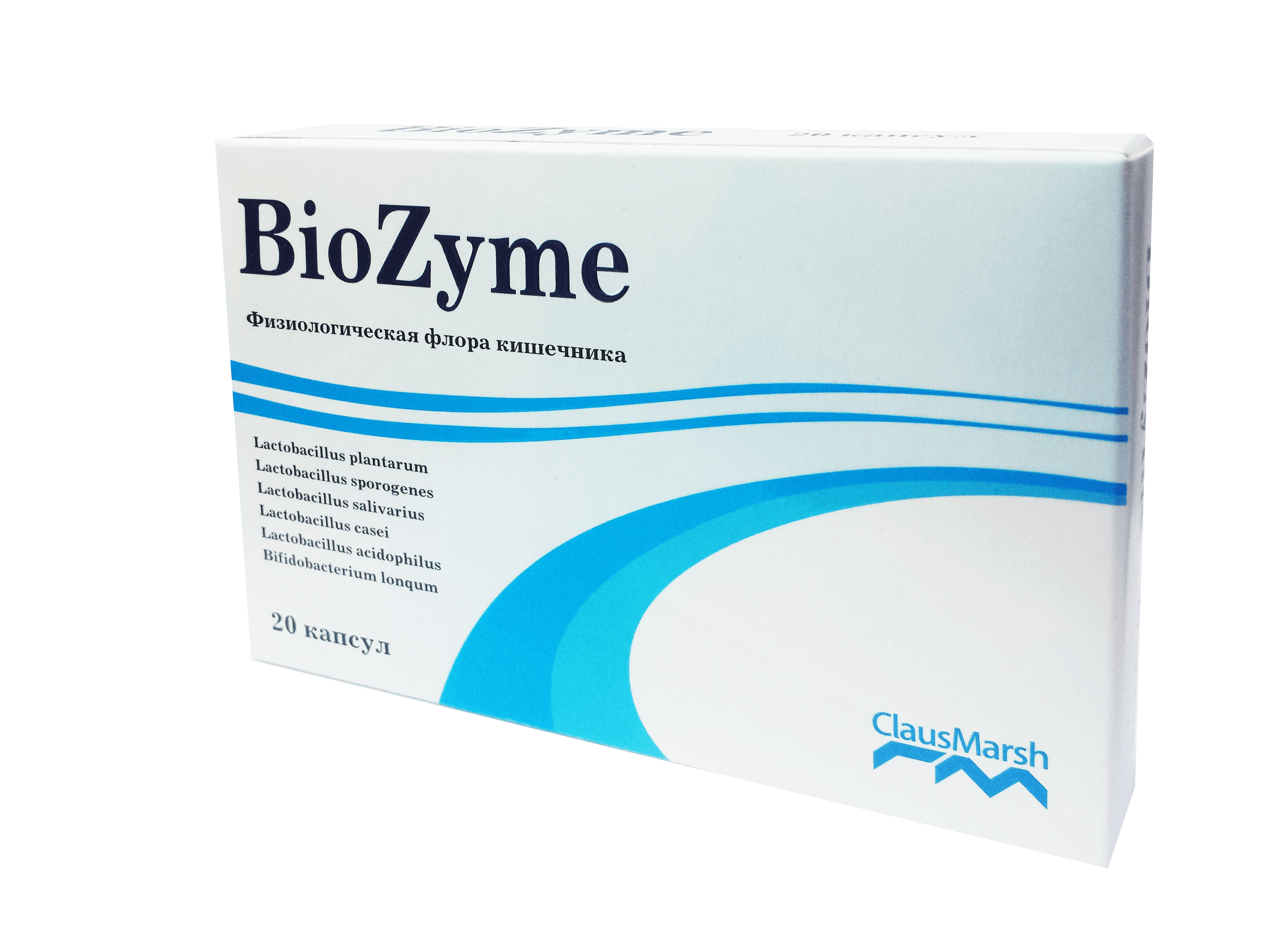
BIOZYM No. 30 (capsules)
Field of Activity:
Application:
BIOZYME capsules Compound: Tzyme™ Gut Blend: 442 mg: Lactobacillus plantarum 3 x 10⁹. CFU; Lactobacillus sporogenes 3.8 x 10⁸ CFU; Lactobacillus salivarius 3 x 10⁸ CFU; Bifidumbacterium longum 2 x 10⁸ CFU; Lactobacillus casei 2.25 x 10⁸ CFU; Lactobacillus acidophilus 1 x 10⁹. CFU; Jerusalem artichoke (tuber) 20 mg; Lactoferrin 10 mg. Pharmacological properties: BIOZYM is a natural preparation containing 6 strains of probiotic lactic acid bacteria that restore, maintain and regulate the physiological balance of intestinal microflora: create unfavorable conditions for the reproduction and activity of pathogenic microorganisms. Bifidobacteria and lactobacilli form bacteriocins, which have an antibacterial effect against pathogenic and opportunistic flora and inhibit the growth of tumor cells. BIOZYM bacteria accelerate the breakdown of proteins and carbohydrates in food, stimulate intestinal motility, and are excellent immunomodulators: they activate the synthesis of immunoglobulins, interferon and cytokines. They participate in the synthesis and absorption of vitamin K, B vitamins, folic and nicotinic acids, promote the synthesis of essential amino acids, better absorption of calcium and vitamin D. Lactobacilli produce a number of hydrolytic enzymes, in particular lactase, which breaks down lactose and prevents the development of lactase deficiency. Jerusalem artichoke extract (Jerusalem artichoke) contains up to 77% of the prebiotic inulin. Inulin is a nutrient for beneficial bacteria, promotes their increased reproduction and distribution in the intestines. Lactoferrin is a key factor in innate immunity against pathogenic microorganisms. Lactoferrin is a natural antibiotic and has antibacterial, antiviral, antifungal, antiparasitic and antiallergic activity. It has both bacteriostatic and bactericidal effects. The bacteriostatic effect (suppresses the proliferation of bacteria) is manifested in the binding of iron ions in bacteria, which are necessary for their growth and vital activity. The bactericidal effect (kills bacteria) is based on the fact that it destroys the cell membrane of bacteria, as a result of which they die. Lactoferrin also has activity against Candida fungi, destroying the cell walls of fungi. Lactoferrin, by binding to viruses, prevents their penetration into cells and thus prevents or weakens the development of viral diseases. Indications: To improve the functional state of the intestinal microflora and gastrointestinal tract. Directions for use and dosage: Adults and children over 14 years old: 1-2 capsules 2 times a day on an empty stomach with a full glass of water. Children under 14 years old: 1-2 capsules per day. The minimum course of admission is 10 days. Contraindications: Individual intolerance to individual components of the drug. Release form: Plastic bottle containing 30 capsules. Free of fillers and allergens! Dispensed without a doctor's prescription. Dietary supplement Not a medicine. Storage conditions: Store at room temperature 15-250C, in a dry place, protected from light, out of reach of children. Manufacturer: CJ labs Inc., Miami, USA. The owner of the trademark and certificate of registration is Claus Marsh company, UK. Organization accepting claims in the Republic of Kazakhstan: Altes Pharm LLP, Almaty, st. Tolebi, 83, office 777. Tel: 8 (727) 292 27 08.
CHONDROCOL No. 60 (CAPSULES)
Field of Activity:
Application:
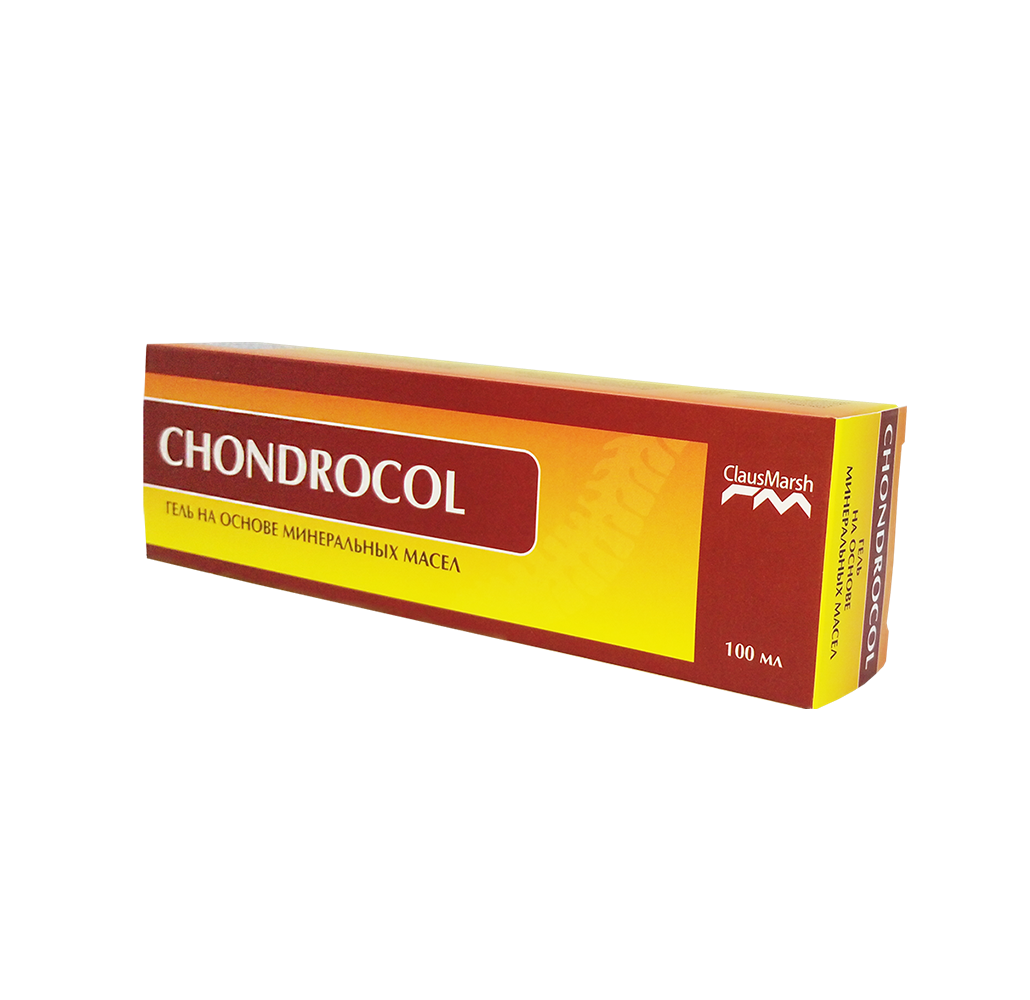
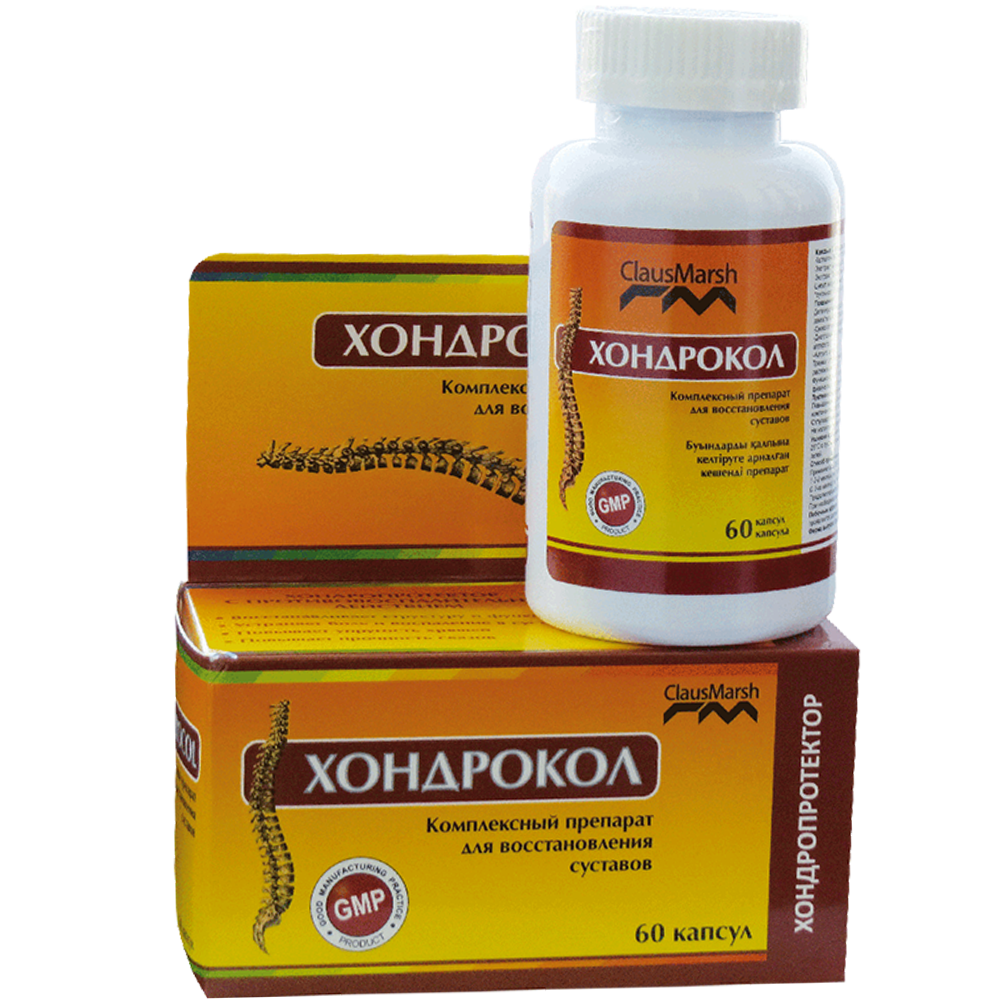
Compound: Every 3 capsules contain: Glucosamine sulfate 1500 mg; Collagen 800 mg; Methylsulfonylmethane 500 mg; Turmeric extract 400 mg; Chondroitin sulfate 200 mg; Boswellia serrata extract (frankincense tree) 200 mg; Cetyl myristoleate 100 mg. Pharmacological properties: Glucosamine is involved in the construction of cartilage tissue, the formation of tendons, joint fluid, connective tissue of the skin, bones, etc. Glucosamine has a low molecular weight and is almost completely absorbed when taken orally. Thanks to this, it is easy to achieve an effective concentration of glucosamine in cartilage tissue. Glucosamines are also precursors to hyaluronic acid, an important component of synovial fluid. Chondroitin is a specific component of cartilage and is found exclusively in cartilage tissue. CHONDROCOL contains low molecular weight fractions of chondroitin sulfate, which are almost completely absorbed into the gastrointestinal tract and, retaining their structure, are embedded in cartilage tissue. Ondroitin sulfate promotes the retention of water in the thickness of the cartilage in the form of water cavities (microspaces - water cushions), which creates good shock absorption, absorbs shock, and ultimately increases the strength of cartilage tissue and inhibits the action of specific enzymes, including lysosomal ones (elastase, cathepsin, interleukin -1, etc.), released as a result of apoptosis of chondrocytes and destroying cartilage tissue. Chondroitin sulfate, like glucosamine, has an anti-inflammatory and analgesic effect, reducing pain in the joints and spine at rest and when walking. Stabilization of radiological parameters, such as the width of the joint space, indicates a stable restoration of the structure of the articular cartilage, which is not possible to obtain with the use of non-steroidal anti-inflammatory drugs alone. Collagen is a necessary protein for the synthesis of connective and fibrous cartilage tissue. If there is insufficient collagen, cartilage loses its elasticity and strength, becomes rough and fibers. Boswellia serrata (frankincense tree) has a pronounced anti-inflammatory effect, helps strengthen and restore the walls of blood vessels, thereby facilitating blood access to areas of damage, and softens the signs of inflammation in arthritis. The mechanism of action of boswellia, as well as non-steroidal anti-inflammatory drugs (NSAIDs), is based on blocking the synthesis of leukotrienes, but unlike them, it does not cause side effects (ulceration of the mucous membranes, urticaria, bronchospasm, etc.). Methylsulfonylmethane (MSM) is a natural compound of organic sulfur, which is part of sulfur-containing amino acids, complex and simple proteins, enzymes, and other vital biological substrates of the body. MSM improves the permeability of cell membranes, which increases the bioavailability of the main components of the drug into cartilage tissue MSM promotes the regeneration and restoration of the normal structure of connective tissue, including the valve apparatus of the heart, basement membranes of venous and arterial vessels, articular surfaces, tendons, fascia, ligaments of the knee, hip joints, spine and other most vulnerable tissues of the body.
CYCLOGEST
Field of Activity:
Application:
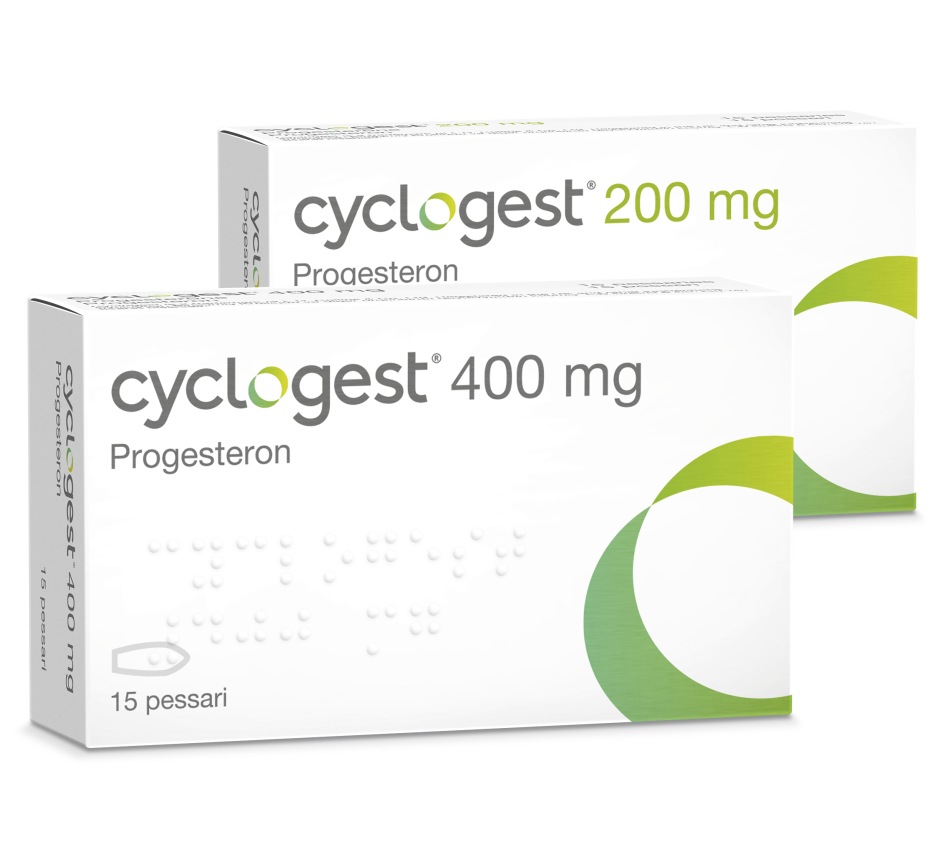
Trade name: Cyclogest® Active ingredient (INN): progesterone Dosage form: pessaries for vaginal and rectal use Compound: Each pessary contains: active substance: progesterone – 200 mg or 400 mg. excipients: solid fatty base. Description: torpedo-shaped pessaries, almost white, about 30 mm long, about 10 mm in diameter. Pharmacotherapeutic group: sex hormones and modulators of the reproductive system. Progestogens. Derivatives of pregnene. Progesterone ATX code: G03DA04 By stimulating protein lipase, it increases fat reserves and increases glucose utilization. By increasing the concentration of basal and stimulated insulin, it promotes the accumulation of glycogen in the liver and increases the production of gonadotropic hormones of the pituitary gland; reduces azotemia, increases nitrogen excretion in urine. Pharmacokinetics Absorption occurs quickly, a high concentration of progesterone is observed 1 hour after administration. Cmax of progesterone in blood plasma is achieved 2-6 hours after administration. When the drug is administered at a dose of 100 mg 2 times a day, the average concentration remains at 9.7 ng/ml for 24 hours. When administered in doses of more than 200 mg/day, the concentration of progesterone corresponds to the first trimester of pregnancy. Plasma protein binding is 90%. Progesterone accumulates in the uterus. Metabolized to form predominantly 3-alpha, 5-beta-pregnanediol. The concentration of 5-beta-pregnanolone in the blood plasma does not increase. It is excreted in the urine in the form of metabolites, the main part being 3-alpha, 5-beta-pregnanediol (pregnandione). This is confirmed by a constant increase in its concentration (Cmax 142 ng/ml after 6 hours). Indications for use Progesterone deficiency conditions in women: -menopausal hormonal therapy in case of progesterone deficiency with non-functioning (absent) ovaries (egg donation); prevention (prevention) of premature birth in women at risk (with shortening of the cervix and/or anamnestic data of premature birth and/or premature rupture of the membranes); -support of the luteal phase during preparation for in vitro fertilization; - support of the luteal phase in the spontaneous or induced menstrual cycle; -premature menopause; -menopausal hormone therapy (in combination with estrogen-containing drugs); - infertility due to luteal insufficiency; - threatened abortion or prevention of habitual abortion due to progesterone deficiency. Directions for use and doses Pessaries are administered intravaginally or rectally at 200 mg to 400 mg twice daily. Prevention (prophylaxis) of preterm birth in women at risk (with shortening of the cervix and/or history of preterm labor and/or premature rupture of membranes): the usual dose is 200 mg at bedtime, from the 22nd to the 34th week pregnancy. Complete absence of progesterone in women with non-functioning (absent) ovaries (egg donation): against the background of estrogen therapy, 100 mg/day on the 13th and 14th days of the cycle, then 100 mg 2 times/day from the 15th to On the 25th day of the cycle, from the 26th day and if pregnancy is detected, the dose increases by 100 mg/day every week, reaching a maximum of 600 mg/day, divided into 3 doses. The indicated dose is usually used for 60 days. Support of the luteal phase during the in vitro fertilization cycle: it is recommended to use from 200 to 600 mg/day, starting from the day of human chorionic gonadotropin injection during the first and second trimesters of pregnancy. Support of the luteal phase in a spontaneous or induced menstrual cycle, in case of infertility associated with dysfunction of the corpus luteum: it is recommended to use 200-300 mg/day, starting from the 17th day of the cycle for 10 days, in case of delayed menstruation and diagnosis of pregnancy, treatment should to be continued. In cases of threatened abortion or in order to prevent habitual abortion occurring against the background of progesterone deficiency: 200-400 mg/day in 2 divided doses daily in the first and second trimesters of pregnancy. Drug interactions The interaction of progesterone with other drugs when administered intravaginally or rectally has not been evaluated. The simultaneous use of other drugs administered intravaginally or rectally should be avoided to avoid interfering with the release and absorption of progesterone. Release form 5 pessaries are placed in contour packages made of polyvinyl chloride/polyethylene film. 3 contour packages together with instructions for medical use in the state and Russian languages are placed in a cardboard pack. Storage conditions Store in original packaging, protected from light at a temperature not exceeding 30 °C. Keep out of the reach of children. Best before date 4 years. Do not take after the expiration date stated on the package. Conditions for dispensing from pharmacies On prescription. Manufacturer Accord-UK Ltd. Barnstaple, EX32 8NS, UK, under license from L.D. Collins & Co. Ltd.” 1st Floor, Gallery Court, 28 Arcadia Avenue, London, N3 2FG, UK.
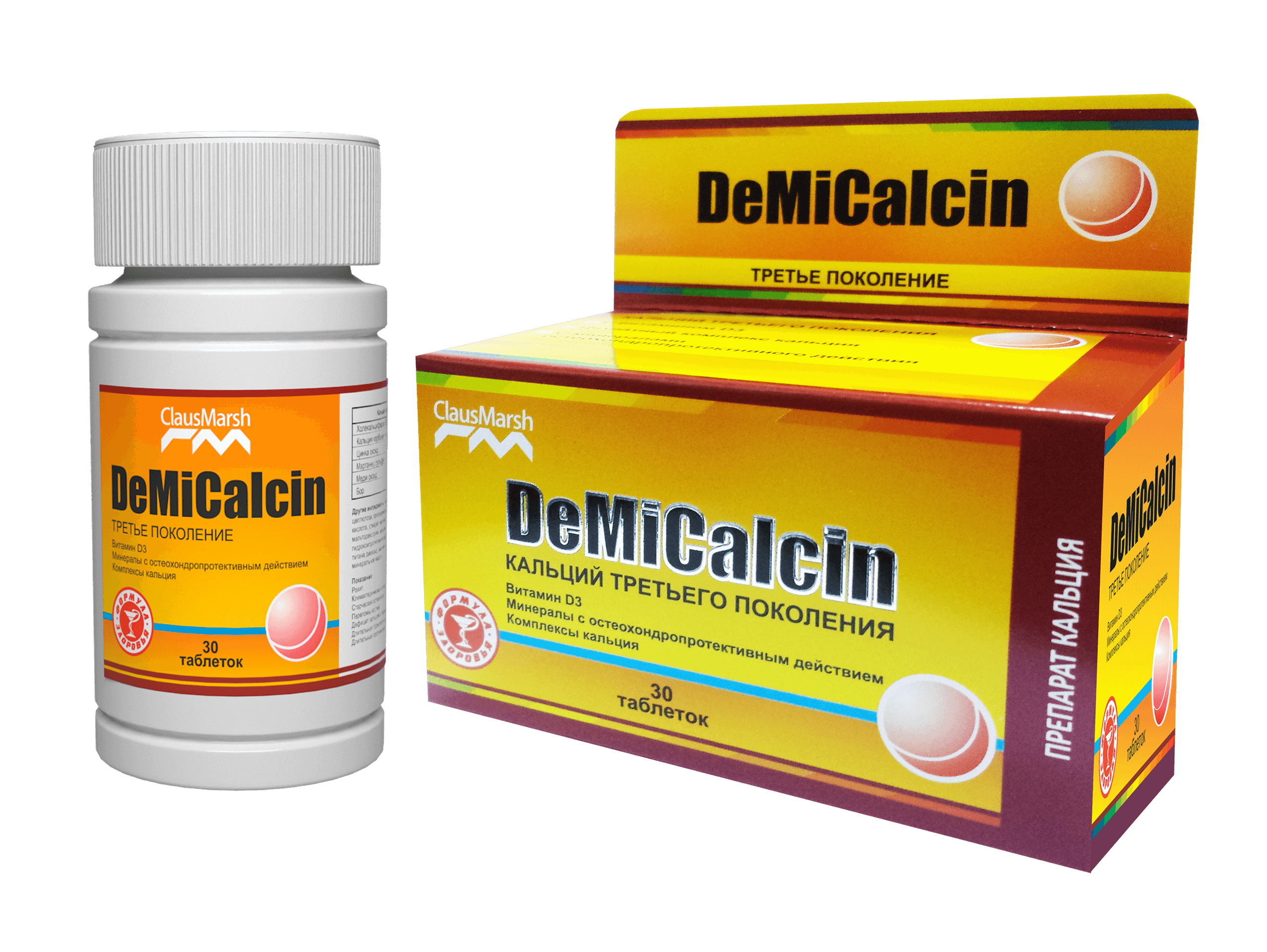
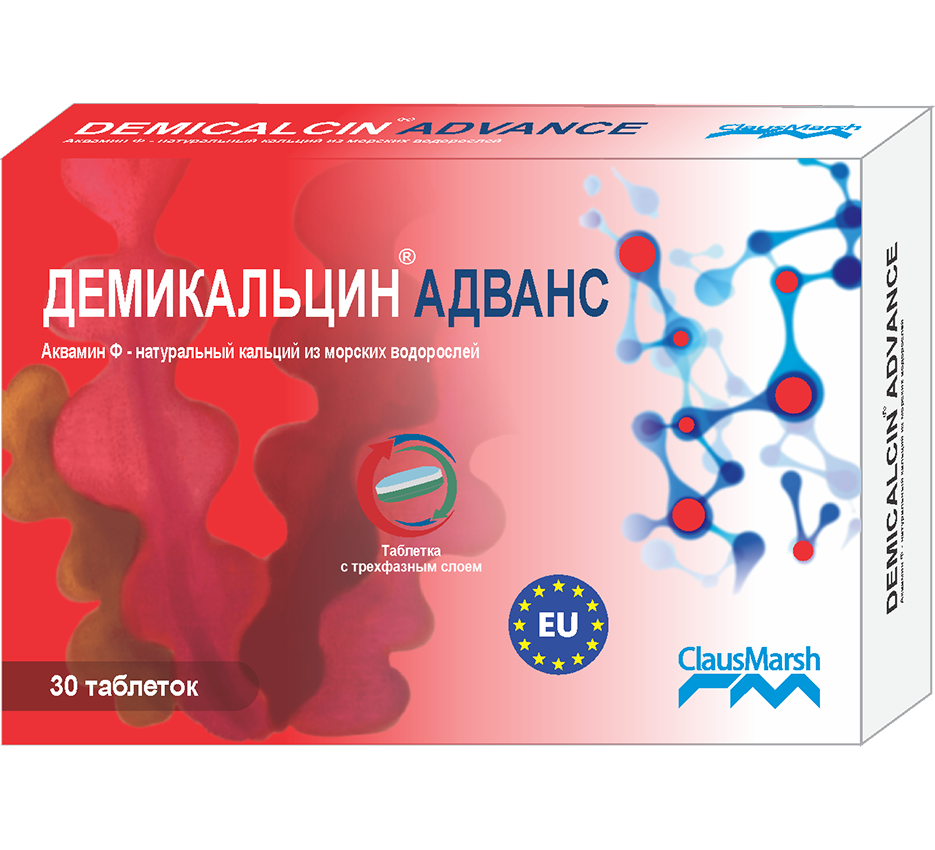
DEMICALCIN
Field of Activity:
Application:
Demicalcin A combined drug that regulates the metabolism of calcium and phosphorus. Demicalcin mineral and vitamin complex contains a special combination of calcium with vitamin D3, which promotes the absorption of calcium, and with trace elements such as zinc, copper, manganese and boron, necessary for strong bones and spine. Composition: D3 – 50 ME Zn -2 mg Ca citrate - 842 mg Cu -0.5 mg Ca carbonate - 202 mg Mn- 0.5 mg Ca -250 mg B- 50mcg Pharmacological properties: DeMiCalcin is a mineral and vitamin complex. Replenishes the deficiency of microelements, calcium and vitamin D3, helps strengthen bones and joints, and prevents diseases of the musculoskeletal system. Calcium is a building component for bone tissue. Calcium is presented in the preparation as carbonate and citrate salts Calcium carbonate contains the maximum amount of elemental calcium. Calcium citrate is well absorbed in the intestine, prevents stone formation in the urinary system even with long-term use, and reduces excess production of parathyroid hormone. Vitamin D (cholecalciferol) promotes adequate absorption of calcium, participates in the processes of regeneration and construction of bone tissue. Zinc is an integral component of various enzymes in the body ( more than 200 species) that synthesize proteins and nucleic acids. Manganese promotes the synthesis of substances that are components of bone and cartilage tissue (glycosaminoglycans). Copper is involved in the formation of elastin and collagen. Helps stop the phenomenon of demineralization of bone structures. Boron normalizes the activity of the parathyroid hormone - parathyroid hormone.. Indications: Rickets Prevention and treatment of osteoporosis Period of intensive growth in childhood and adolescence Disorders of calcium metabolism (pregnancy, lactation, convalescence) Prevention of osteoporosis (including menopause) Bone fractures Dosage Up to 1 year – ¼ tablet 1 time per day 1 – 5 years old – ½ tablet once a day 5 – 12 years old – 1 tablet once a day Over 12 years old and adults – 1 tablet 2 times a day Release form: DeMiCalcin, 30 tablets.
DUPLAX
Field of Activity:
Application:
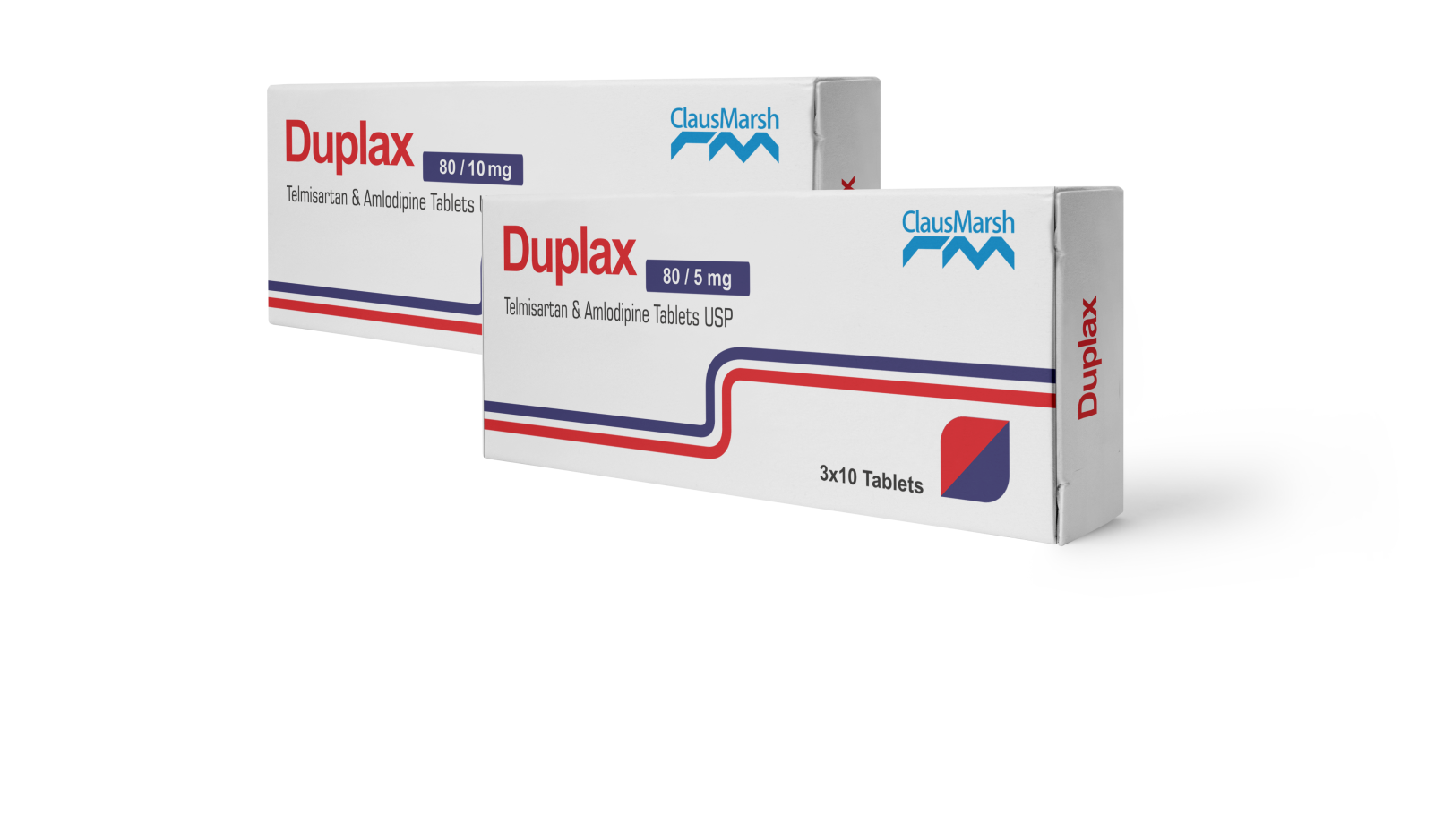
DUPLAX tablets DUPLAX International nonproprietary name: telmisartan and amlodipine. Compound: Active ingredient: 1 tablet contains amlodipine besylate, which is equivalent to 5 or 10 mg of amlodipine and contains 80 mg of telmisartan. Excipients: mannitol, meglumine, potassium hydroxide, purified talc, magnesium stearate, croxamellose sodium, colloidal anhydrous silicon dioxide, sodium methylhydroxybenzoate, sodium propylhydroxybenzoate, lactose monohydrate, microcrystalline cellulose, corn starch. Description: White/pink, round, biconvex and smooth uncoated bilayer tablets. Pharmacotherapeutic group: Substances affecting the renin-angiotensin system, angiotensin II antagonists and calcium channel blockers. ATS code: C09DB04. Pharmacological properties: Pharmacodynamics The drug Duplax contains two antihypertensive substances that regulate blood pressure in patients with arterial hypertension: telmisartan, an angiotensin II receptor antagonist, and calcium from the dihydropyridine group. The combination of these substances has an additional antihypertensive effect and reduces blood pressure to a greater extent than each component used separately. Telmisartan and amlodipine effectively and consistently reduce blood pressure when administered in therapeutic doses once daily at 24-hour intervals. Telmisartan The functional role of these receptors or the consequences of overstimulation by increased angiotensin II levels resulting from telmisartan are unknown. Telmisartan reduces plasma aldosterone levels. Amlodipine Amlodipine is a calcium ion flux inhibitor (slow channel blocker or calcium ion antagonist), belonging to the dihydropyridine group and suppressing the transmembrane flux of calcium ions into the smooth muscles of the heart and blood vessels. The mechanism of the antihypertensive effect of amlodipine is a direct relaxing effect on vascular smooth muscle, leading to a decrease in peripheral vascular resistance and blood pressure. Research data shows that amlodipine, as binds to both dihydropyridine and non-dihydropyridine binding sites. Amlodipine has a selective effect on blood vessels and has a greater effect on vascular smooth muscle cells than on cardiac muscle cells. Absorption After oral administration of therapeutic doses, amlodipine is well absorbed and reaches maximum concentration in the blood after 6-12 hours. Absolute bioavailability is about 64-80%. The bioavailability of amlodipine is independent of food intake. Distribution Telmisartan is bound to plasma proteins (>99.5%), mainly to albumin and alpha-1 acid glycoprotein. The average apparent volume of distribution at steady state (Vdss) is approximately 500 liters. The volume of distribution of amlodipine is approximately 21 L/kg. In vitro Studies have shown that in patients with arterial hypertension, approximately 97.5% of circulating amlodipine is bound to plasma proteins. Biotransformation Telmisartan is metabolized by binding to a glucuronide. The pharmacological activity of the conjugate has not been proven. The rate and rate of absorption of telmisartan and amlodipine are equivalent to the bioabsorption of telmisartan and amlodipine when taken as separate tablets. Telmisartan is rapidly absorbed, although the amount absorbed varies. The absolute bioavailability of telmisartan is approximately 50%. Plasma concentration versus time curve (AUC0-∞) of telmisartan when taking telmisartan with food the area under reduction ranges from approximately 6% (40 mg dose) to approximately 19% (160 mg dose). Plasma concentrations of telmisartan 3 hours after dosing, regardless of whether telmisartan is taken on an empty stomach or with food it was the same. Removal Telmisartan has biexponential dissociation pharmacokinetics with a half-life of >20 hours. The maximum plasma concentration (Cmax) and, to a lesser extent, the concentration under the plasma concentration-time curve. The elimination of amlodipine from plasma is biphasic, with a half-life of approximately 30-50 hours, which corresponds to the daily dose. Stable plasma levels are achieved after 7-8 days of continuous use. Amlodipine 10% and 60% of its metabolites are excreted in the urine. After oral (and intravenous) administration, telmisartan is almost completely excreted unchanged in the feces. Cumulative urinary excretion is ± 1% of the dose. Total plasma clearance (Cltot) (about 1000 ml/min) is high compared to hepatic blood flow (about 1500 ml/min). indications for use: Telmisartan and amlodipine are indicated for the treatment of hypertension alone or in combination with other antihypertensive agents. Telmisartan and amlodipine can be used as initial therapy in patients who require more than one drug to achieve target blood pressure levels. Contraindications: Hypersensitivity to any of the components contained in DUPLAX and dihydropyridine derivatives, obstructive diseases of the biliary tract, impaired liver function, cardiogenic shock, diabetes mellitus or renal failure, concomitant use with aliskeren, pregnancy and lactation, childhood and children under 18 years of age . teenage years. Directions for use and dosage: Telmisartan provides effective treatment of arterial hypertension at a daily dose of 20-80 mg, while amlodipine is effective at a dose of 2.5-10 mg. The dose should be individualized and the dose may be increased after at least 2 weeks. The antihypertensive effect is detected within 2 weeks. The maximum reduction in blood pressure usually occurs after 4 weeks. The maximum recommended dose of telmisartan and amlodipine tablets is 80/10 mg once daily. Release form: 30 tablets, in a blister. 1 blister is packed in a cardboard box along with an insert. Storage method: Store at temperatures below 30°C, in a dry place, protected from light and out of reach of children. Manufacturer: Rivpra Formulation Pvt. Ltd. India. Licensee: Claus Marsh Ltd., UK.
EDENIGHT
Field of Activity:
Application:
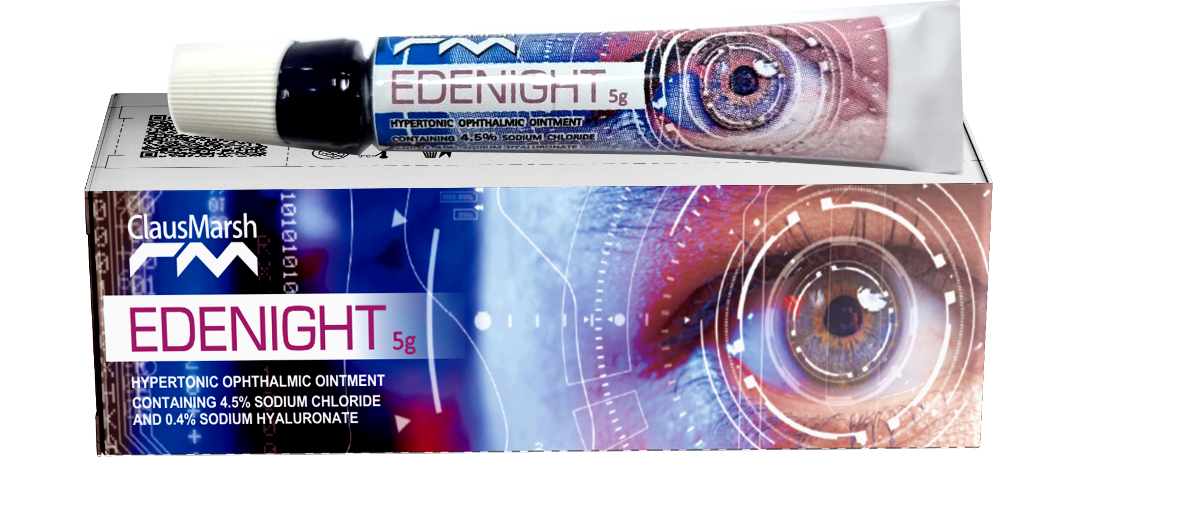
Edenight is an innovative ophthalmic ointment. Composition: 4.5% sodium chloride and 0.4% sodium hyaluronate. Indications: Edenight is a sterile hypertonic ophthalmic ointment indicated for the temporary relief of symptoms of corneal edema such as vision changes and pain, even at night. Due to its high sodium chloride content, Edenight has a higher osmolarity than tear fluid: this difference is necessary for the reabsorption of edematous fluid. The use of Edenight leads to an increase in the concentration of saline in the tear film and, as a result, to the removal of water from the layers of the cornea to the surface. The sodium hyaluronate found in Edenight forms a protective shield on the surface of the cornea, providing protection and hydration. Sodium hyaluronate also makes the application of hypertonic ointment more comfortable due to its lubricating and mechanical protective properties. Recommendations for use: a small amount of ointment is used before bedtime. If an additional daily dose is required, take small portions every 3-4 hours or as directed by a physician. Release form: ophthalmic ointment in a 5 g tube. Manufacturer: Italy.
EVADOL № 60 (capsules)
Field of Activity:
Application:
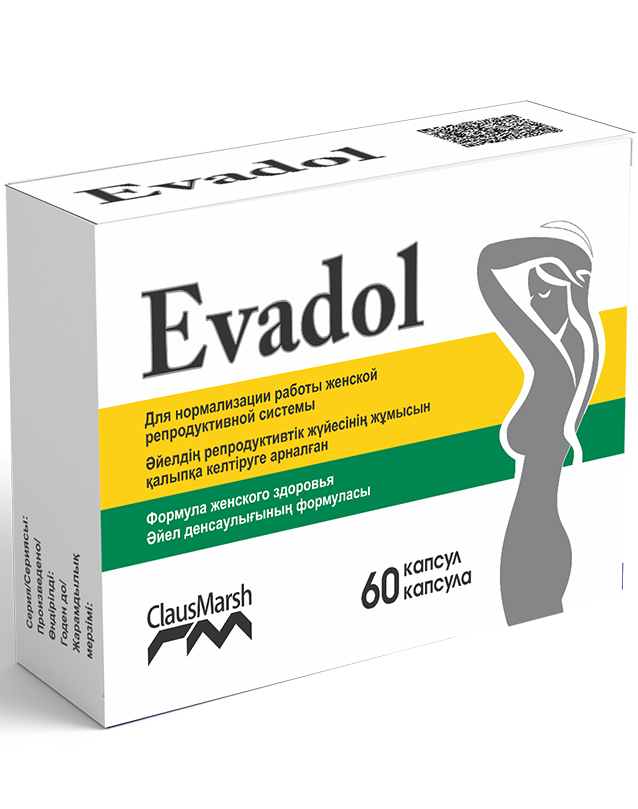
COMPOUND: Each capsule contains 300 mg of highly purified broccoli indole-3 carbinol, concentrate broccoli cabbage from the cruciferous family 92.5 mg. PHARMACOLOGICAL FEATURES; Evadol is a universal corrector of sexual hyperplastic processes in the organs and tissues of the female reproductive system (breast, endometrium, myometrium, cervix, ovaries). Normalizes the balance of estrogens in the body and suppresses their negative stimulating effects, and also blocks other (hormone-independent) mechanisms that activate pathological cellular growth in the tissues of the mammary gland and uterus. It has the ability to cause selective death of transformed cells with abnormally high proliferative activity. Indole is obtained from plants of the cruciferous family. It belongs to the group of antiestrogenic and antitumor drugs of plant origin. Evadol has an anti-estrogenic effect by restoring normal metabolism of the female sex hormone estradiol and inhibiting the formation of 16-hydroxystrone, which has an oncogenic (promoting the formation of malignant tumors) effect on the woman’s body. At the same time, it suppresses the function of estrogen receptors (nerve endings sensitive to estrogen) in target tissues. This effect of indole allows it to be used for various functional disorders caused by increased levels of estrogen in the blood. Many tumors and pre-tumor diseases of the female genital area and mammary glands have a clear dependence on the amount of estrogens produced in the body. These are mastopathy, breast cancer, uterine fibroids, uterine cancer, endometriosis and so on. Evadol is able to suppress tissue hyperproliferation (rapid cell proliferation associated with tumor growth) of epithelial origin in the female reproductive system, caused by disturbances in the regulation of cell division. This leads to suppression of the growth of estrogen-dependent tumors of the female reproductive system. At the same time, it promotes the selective destruction (apoptosis) of tumor cells and neutralizes the effect of substances that stimulate the development of mammary tumors. Evadol also exhibits activity against diseases associated with the human papillomavirus (HPV) and suppresses the process of transformation of diseases caused by this virus into malignant tumors, that is, the process of malignancy. The effect of Evadol is enhanced by broccoli concentrate. This allows you to achieve high results after the first course of treatment. Broccoli contains a special substance r::,.;lforaphane, which stops the growth of cancer cells. Another component of broccoli - sinegrin - secretes a substance that stops the division of cancer cells and causes their death. In addition, broccoli is rich in iodine and is an effective preventative against breast cancer. Women who consume this cabbage regularly note not only a decrease in pain in the mammary gland, but also the resorption of small lumps. Also, a rich set of vitamins, such as C, PP, K, U and beta-carotene, helps the body maintain the normal hormone prolactin, which prevents the development of seals and the formation of cysts. INDICATIONS: Evadol is used in combination with traditional treatment methods (including chemotherapy and radiation therapy, surgical methods, immunomodulators, etc.) for diseases of the female reproductive system, the development of which is based on the processes of pathological cell proliferation. Evadol can be used in women for the prevention of hormonal disorders and hormone-dependent diseases, incl. oncological: mastopathy; endometriosis, adenomyosis; myoma (fibroids) of the uterus; ovarian cyst; dysplasia and cervical cancer; premenstrual syndrome; ovarian cancer; mammary cancer. papillomatosis of the female reproductive system, papillomavirus infection (papillomas, genital warts, respiratory papillomatosis), adenomyosis, uterine fibroids and endometrial hyperplasia without atypia, as well as for the prevention of relapses of these diseases after surgical treatment. CONTRAINDICATIONS: - individual intolerance (including a history of hypersensitivity) to indole-3-carbinol; - not recommended for persons taking medications that reduce the acidity of gastric juice; - strictly contraindicated during pregnancy and lactation. SIDE EFFECTS: Evadol is well tolerated and does not cause side effects at therapeutic doses. USE DURING PREGNANCY AND LACTATION: The drug is strictly contraindicated during pregnancy and lactation! DOSES AND RULES OF APPLICATION: Evadol is prescribed orally before or during meals, 300 mr (1 capsule) daily for 3-6 months. For mastopathy Evado! take 1 capsule 1 time per day for 6 months, for the purpose of prevention – 1 capsule 1 time per day for 3 months. For endometriosis and uterine fibroids, Evadol is used in complex treatment, 1 capsule once a day for 6 months; in order to prevent relapses, 1 capsule 1 time per day for 3 months. For all forms of human papillomavirus infection, Evadol is used in combination with immunomodulatory or antiviral drugs, 1 capsule once a day for 6 months. STORAGE CONDITIONS: Store at temperatures up to 25°C, in a dry place out of reach of children. RELEASE FORM: Evadol, capsule No. 60. Not a medicine. Dietary supplement CONDITIONS OF DISCHARGE FROM PHARMACIES: Dispensed without a doctor's prescription.
FORTEGYN
Field of Activity:
Application:
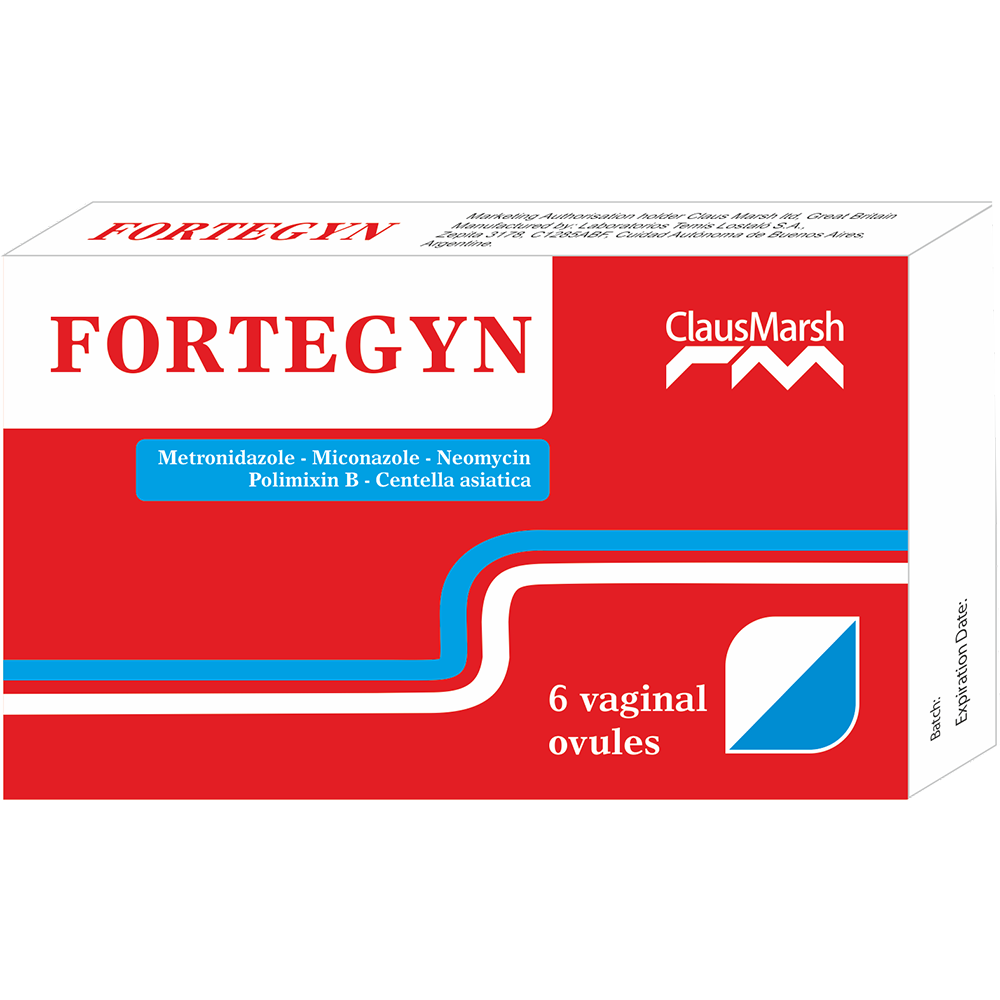
FORTEGIN Dosage form: vaginal suppositories Composition: One vaginal suppository contains active substances: metronidazole micronized 300.00 mg; miconazole nitrate micronized 100.00 mg; neomycin sulfate 48.80 mg; polymyxin sulfate 4.40 mg; Centella asiatica 15.00 mg. Pharmacotherapeutic group: Combined antimicrobial, antiprotozoal, antifungal and refreshing drug for topical use. ATX code G01AX. Pharmacological properties Metronidazole is a 5-nitroimidazole derivative that has antiprotozoal and antimicrobial effects. The mechanism of action is the biochemical reduction of the 5-nitro group of metronidazole by intracellular transport proteins of anaerobic microorganisms and protozoa. The reduced 5-nitro group of metronidazole interacts with the DNA of microorganisms, inhibiting its synthesis, which leads to the death of bacteria. Active against Trichomonas vaginalis, Entamoeba histolytica, as well as obligate anaerobes Bacteroides spp. (including Bacteroides fragilis, Bacteroides distasonis, Bacteroides ovatus, Bacteroides thetaiotaomicron, Bacteroides vulgatus), Fusobacterium spp., some gram-positive microorganisms (Eubacterium spp., Clostridium spp., Peptococcus niger, Peptostreptococcus spp.). Miconazole nitrate, a derivative of imidazole and triazole, has an antifungal effect: it inhibits the synthesis of ergosterol in the cell membrane. Active against dermatophytes, yeast and some other fungi. Shows antimicrobial activity against gram-positive microorganisms. Does not change the composition of the microflora and pH of the vagina. Neomycin sulfate is a broad-spectrum antibiotic from the aminoglycoside group. Has a bactericidal effect against gram-positive (Staphylococcus spp., Streptococcus pneumoniae) and gram-negative (Escherichia coli, Shigella dysenteria spp., Shigella flexneri spp., Shigella boydii spp., Shigella sonnei spp., Proteus spp.) microorganisms. The mechanism of the bactericidal action of neomycin is associated with the effect on ribosomes and inhibition of protein synthesis in the bacterial cell. Inactive against Streptococcus spp. Resistance of microorganisms to neomycin develops slowly and to a small extent. Polymyxin sulfate is an antibiotic produced by spore-forming bacteria Bacillus polymixa. It has a bactericidal effect associated with disruption of the integrity of the microbial cell membrane. Absorbed on phospholipids of the membrane, increases its permeability, causes lysis of bacteria. Active against gram-negative microorganisms: Pseudomonas aeruginosa, Salmonella spp., Shigella spp., Escherichia coli, Klebsiella spp., Bordetella pertussis, Haemophilus influenzae, Enterobacter. Fusobacteria and bacteroides (Bacteroides fragilis) are moderately sensitive. Does not affect coccal aerobic (Staphylococcus spp., Streptococcus spp., including Streptococcus pneumoniae, Neisseria gonorrhoeae, Neisseria meningitidis) and anaerobic microorganisms, most strains of Proteus spp., Mycobacterium tuberculosis, Corynebacterium diphtheriae and fungi. Centella asiatica has a wound healing effect, stimulates the process of granulation and collagen formation, and promotes epithelization. Indications for use: -vulvitis; -vaginitis; -vulvovaginitis; -cervicovaginitis; -candidiasis; -leukorrhea. Directions for use and dosage: 1 candle per day, before bedtime. Inserted deep into the vagina in a lying position after evening toilet. Duration of treatment is 5–10 days. Release form Vaginal suppositories. 6 candles are placed in a contour cell packaging made of polyvinyl chloride film. 1 blister pack along with instructions for medical use is placed in a cardboard box. Best before date 3 years. Should not be used after the expiration date. Conditions for dispensing from pharmacies On prescription. Manufacturer: Laboratorios Temis Lostaló S.A. Zepita 3178, C1285ABF, Cuidad Autónoma de Buenos Aires, Argentina.
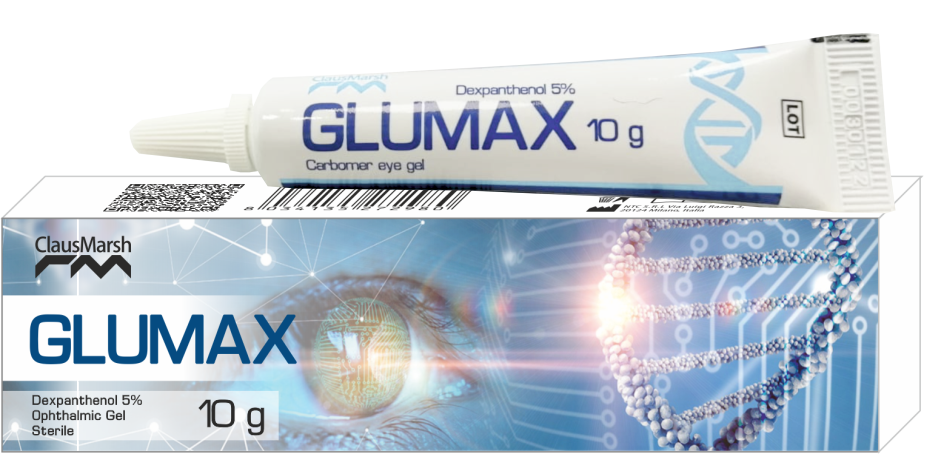
GLUMAX
Field of Activity:
Application:
Glumax is an ophthalmic gel. Composition: dexpanthenol 15%. Indications: Glumax is indicated for maintaining the physiological balance of the ocular surface, providing hydration and protecting the corneal epithelium. Dry eyes due to prolonged use of computer and TV watching, prolonged exposure to heat and air conditioning and provides relief from foreign body sensation, burning, eye strain. Recommendations for use: Glumax when wearing contact lenses - Remove contact lenses before applying the product and wait 15 minutes before reinserting. If used concomitantly with any other ophthalmic products, wait 15 minutes between each use. The product should be used within 8 weeks after first opening the tube. Release form: ophthalmic gel in a tube of 10 g. Manufacturer: Italy.
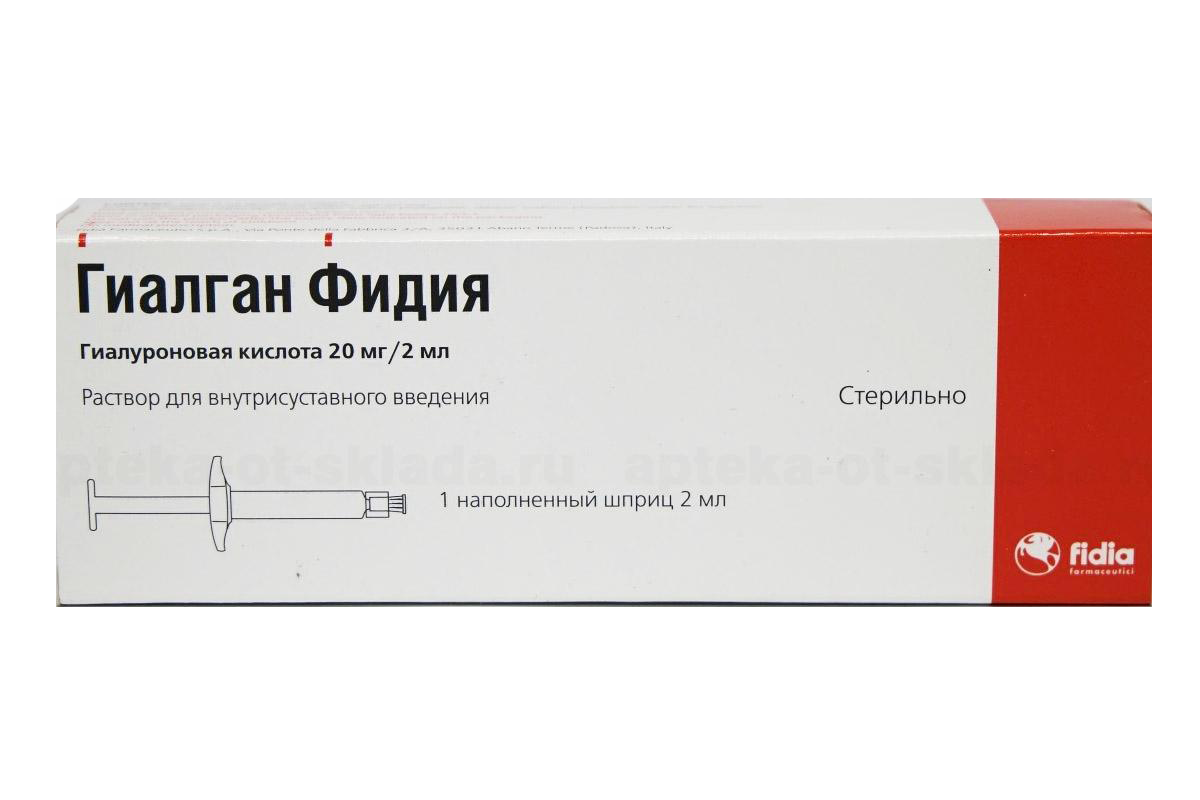
HYALGAN 20MG\2ML №1(SYRINGE)
Field of Activity:
Application:
Dosage form Solution for intra-articular administration, 20 mg/2 ml 2.0 ml Compound active substance – sodium hyaluronate 20.00 mg, excipients: sodium chloride, sodium dihydrogen phosphate dihydrate, disodium hydrogen phosphate dodecahydrate, water for injection. Description Colorless, transparent viscous solution. Pharmacotherapeutic group Preparations for the treatment of diseases of the musculoskeletal system. Other drugs for the treatment of diseases of the musculoskeletal system. Hyaluronic acid. ATX code M09AX01 Pharmacological properties Pharmacokinetics When administered intra-articularly, the sodium salt of hyaluronic acid is eliminated from the synovial fluid within 2-3 days. Pharmacokinetic studies have shown rapid distribution of the substance in the synovial membrane. The highest concentrations of labeled hyaluronic acid were found in the synovial fluid and joint capsule, lower concentrations in the synovial membrane, ligaments and adjacent muscles. Hyaluronic acid in synovial fluid does not undergo significant metabolic changes. Experimental models have established that metabolism occurs mainly in the periarticular tissues and liver, excretion is mainly carried out by the kidneys. Pharmacodynamics Hyalgan® is a sterile, pyrogen-free, viscous buffered aqueous solution of a highly purified sodium salt fraction of hyaluronic acid with a molecular weight of 500 to 730 kDa. Hyaluronic acid is an essential component of the extracellular matrix and is present in high concentrations in articular cartilage and synovial fluid. Endogenous hyaluronic acid provides viscosity and elasticity to synovial fluid, and is also necessary for the formation of proteoglycans in articular cartilage. With osteoarthritis, there is a deficiency and qualitative changes in hyaluronic acid in the composition of synovial fluid and cartilage. Intra-articular administration of hyaluronic acid against the background of degenerative changes in the surface of synovial cartilage and pathology of synovial fluid leads to an improvement in the functional state of the joint. When using Gialgan®, there is an improvement in the clinical course of osteoarthritis within six months from the date of treatment, and an anti-inflammatory and analgesic effect is observed. Indications for use – osteoarthritis and post-traumatic changes in joints – pain relief and improved joint mobility – as an aid in orthopedic surgery Directions for use and doses Intra-articular. The contents of one filled syringe (20 mg/2 ml) should be injected into the knee and hip joints once a week, in a course of 5 injections according to the standard method. Method of administration Before administering Gialgan®, effusion from the joint capsule should be removed. The drug should be administered precisely into the joint cavity using standard methods, taking into account the anatomical features. The same needle can be used to remove the effusion and administer the drug, inserted once before aspiration. In this case, the syringe with the drug is attached to the needle freed from the syringe with aspirated liquid. To confirm that the needle is in the joint cavity, an available amount of synovial fluid should be aspirated before slowly injecting the drug. The rules of asepsis and antisepsis should be observed when performing the procedure. Administration of the drug into the joint cavity should be stopped if pain occurs during injection. Avoid getting air into the syringe with the drug. The drug, which has not been completely used, cannot be stored. Side effects – moderate pain, swelling of the joint, increased exudate in the joint cavity, increased temperature and redness in the injection area The above symptoms are transient and usually disappear after 24 hours. If these symptoms occur, it is recommended to unload the affected joint and apply ice. In isolated cases – allergic (itching, skin rash, urticaria) and anaphylactic reactions Contraindications – hypersensitivity to the components of the drug or avian proteins – severe liver pathology – presence of infection or damage to the skin in the injection area Drug interactions Gialgan® should not be prescribed concomitantly with other intra-articular injections due to the lack of significant experience. Disinfectants containing quaternary ammonium salts should not be used, since hyaluronic acid precipitates in the presence of these substances. special instructions During the first 2 days after the procedure, it is recommended not to overload the joint, especially prolonged loading should be avoided. When obtaining aspiration fluid, appropriate studies should be carried out before administering the drug to exclude a bacterial etiology of arthritis. Do not use Hyalgan® with damaged or opened packaging. Pregnancy and lactation Should not be used during pregnancy or breastfeeding. Use in pediatrics Should not be used in children due to lack of clinical data. Pregnancy and lactation Should not be used during pregnancy or breastfeeding. Use in pediatrics Should not be used in children due to lack of clinical data. Features of the influence on the ability to drive a vehicle or potentially dangerous mechanisms Gialgan® does not affect a person’s ability to engage in potentially hazardous activities that require increased concentration and speed of psychomotor reactions. However, given the effect of the drug on the functions of the joints of the lower extremities, you should refrain from driving for the first 2 days after the injection. Release form and packaging Solution for intra-articular administration. 2.0 ml in colorless glass syringes type I, sealed with a rubber stopper. 1 syringe, along with instructions for use in the state and Russian languages, is placed in a cardboard pack. Storage conditions At temperatures not exceeding 25°C. Do not freeze. Keep out of the reach of children! Shelf life 3 years in original packaging Do not use after the expiration date indicated on the package. Conditions for dispensing from pharmacies On prescription Manufacturer/Packager Fidia Pharmaceutisi S.P.A. 35031, Abano Terme, Via Ponte della Fabbrica, Z/A, Italy Registration Certificate Holder Fidia Pharmaceutisi S.P.A. 35031, Abano Terme, Via Ponte della Fabbrica, Z/A, Italy
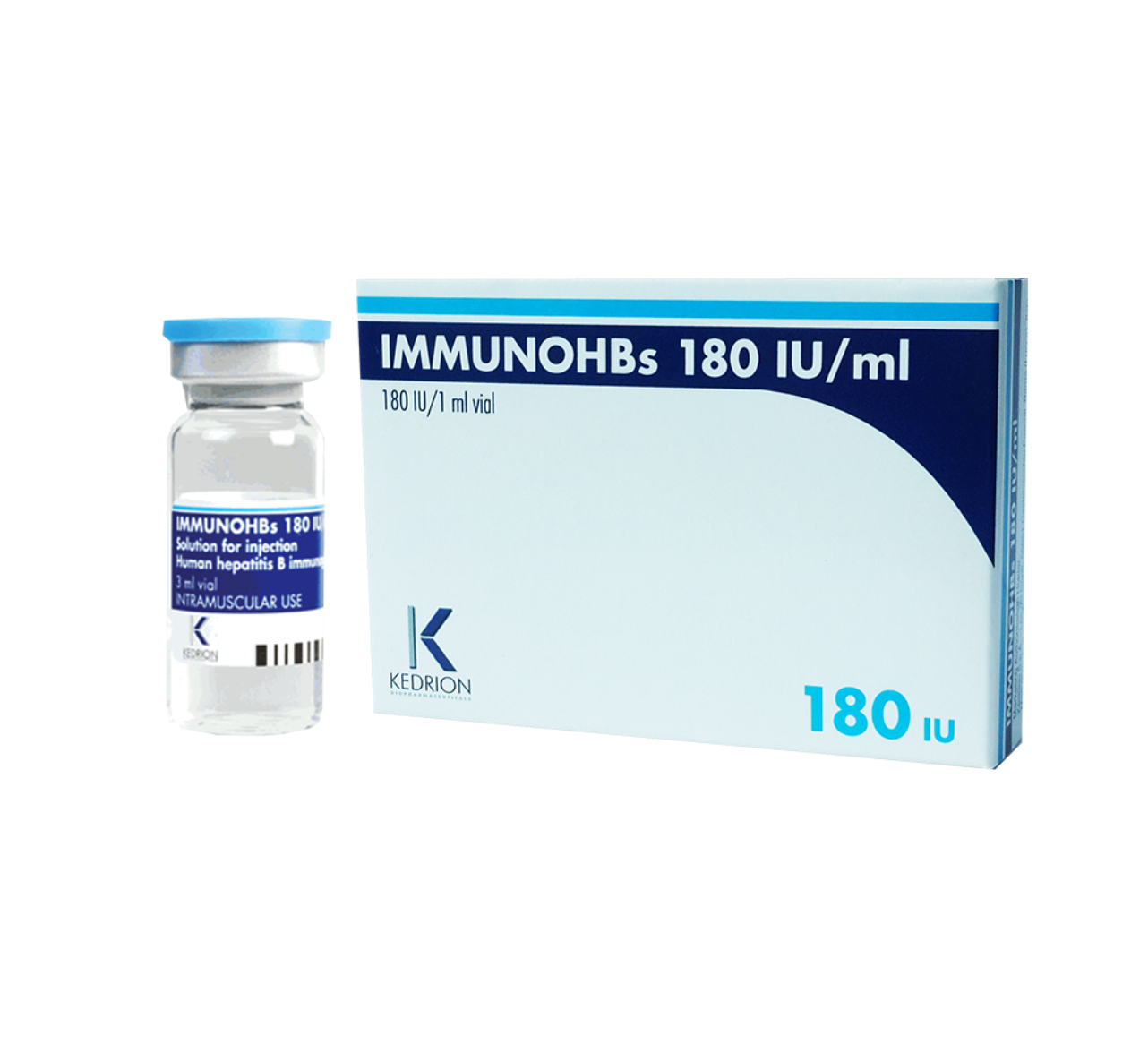
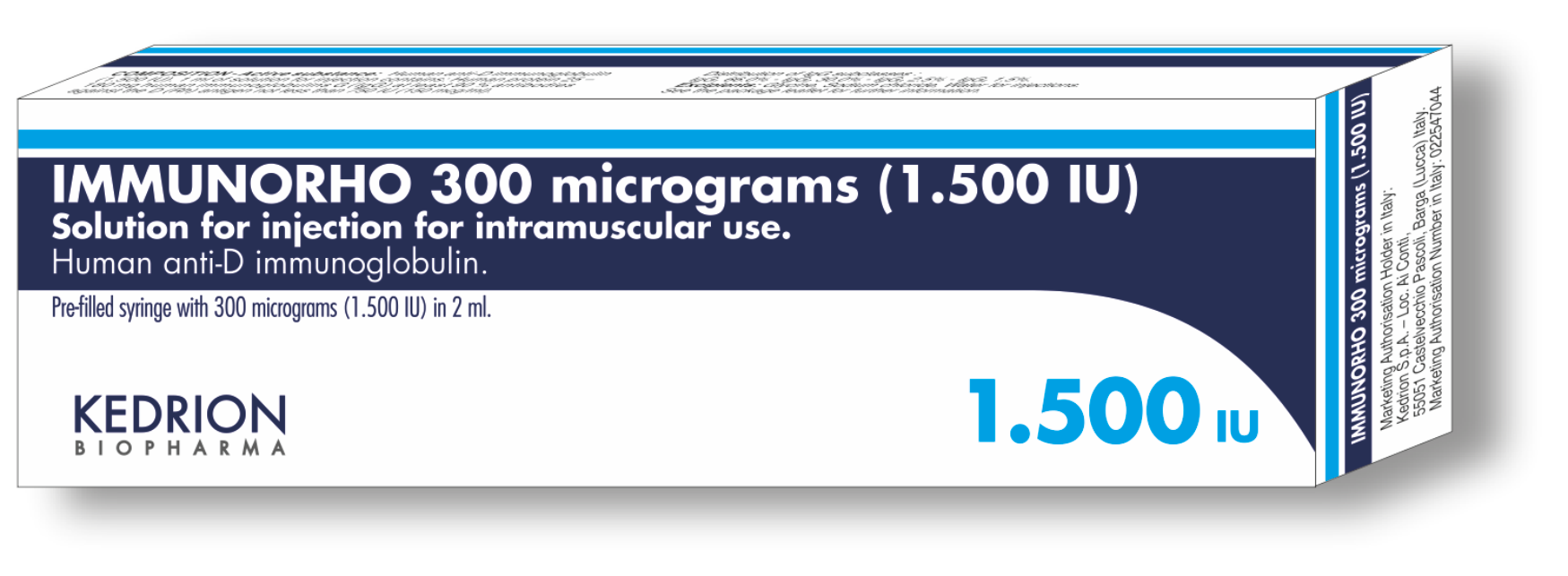
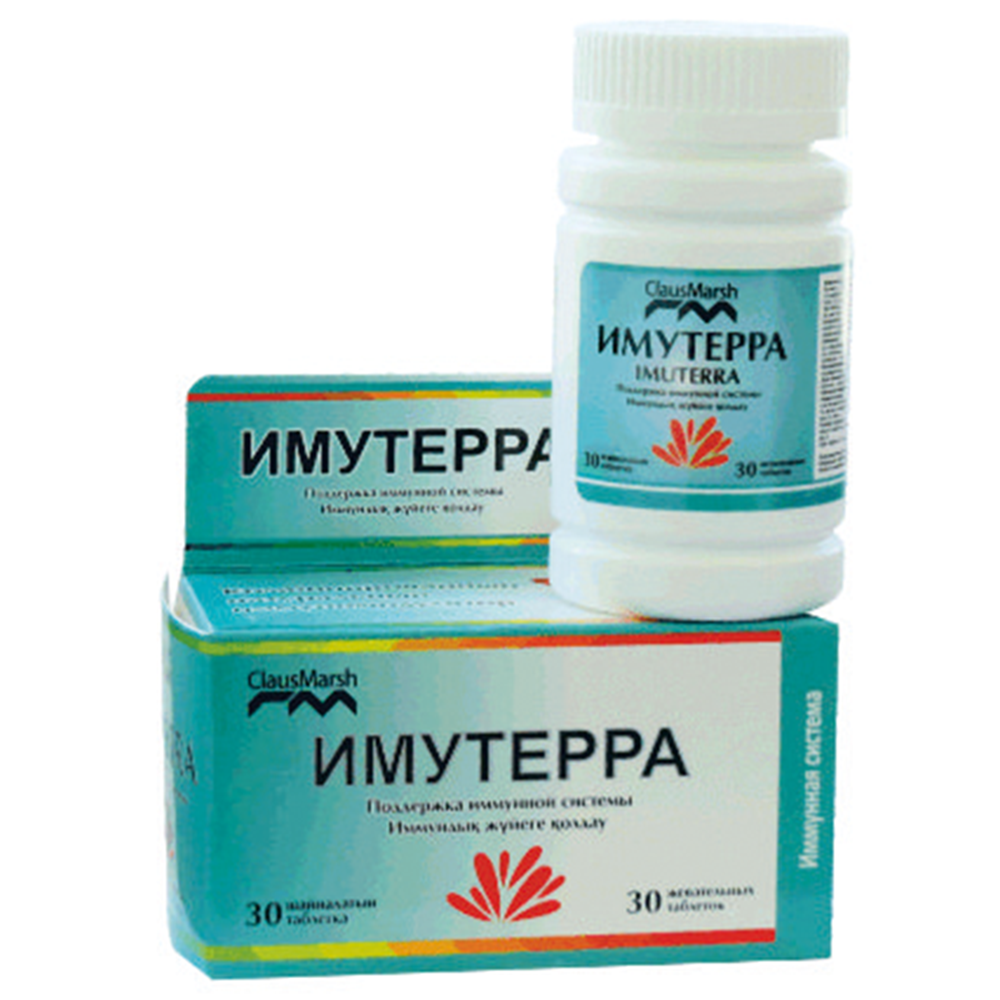
IMUTERRA
Field of Activity:
Application:
IMUTERRA chewable tablets Compound: Beta-1,3-glucan - 100 mg, Arabinogalactan root (powder) -227 mg, Maitake mushroom - 17 mg (O-fraction content - 5 mg), Stevia leaves -17 mg, Astragalus root (powder) - 50 mg, Dimethylglycine -200 mg, Vitamin C -250 mg, Vitamin E -100 IU, Zinc oxide 5 mg. Pharmacological properties: Imuterra is a complex immunomodulator containing a mixture of clinically proven components that restore and regulate the body’s immunoprotective functions. Arabinogalactan, obtained from larch, is a polysaccharide with a high molecular weight. Arabinogas alactan is a natural immunomodulator that activates the reticuloendothelial system (RES). Arabinogalactan increases the formation of macrophages, compared to other plant immunostimulants, by almost 2 times. It acts on all parts of the phagocytic process, activating chemotaxis, adhesion, absorption and bactericidal ability of macrophages. Beta glucan is the most common nonspecific activator of macrophages in nature, isolated from the cell walls of the baking plant Saccharomyces cerevisiae. Beta-1,3-glucan is captured by M-cells of the intestinal mucosa and is actively transported to the submucosal layer, where it activates macrophages, and through them lymphocytes responsible for protecting the mucous membranes, i.e. for local immunity. Thanks to the repopulation mechanism, activated lymphocytes from the intestinal mucosa settle into the mucous membrane of the respiratory tract and genitourinary tract, thus providing protection against infections and cancer of all mucous membranes of the body. Beta-glucan also travels through the portal vein to the liver. 30% of the liver mass is made up of Kupffer cells, which secrete cytokines (IL-1, 12, etc.) that activate systemic immunity. Thus, beta-glucan powerfully activates both local immunity, protecting the body from invasions of foreign genetic material, and systemic immunity, protecting the entire body from an already penetrated infection. Astragalus (Astraga/us membranaceus) is a medicinal plant with immunomodulatory properties. Astragalus contains triterpene saponins (astragalosides), flavonoids, phytosterols (beta-sitosterol), choline and betaine. Root Astragalus has the following actions: increases nonspecific humoral and cellular immunity, increases the activity of natural killer cells, stimulates the formation of interferon and leukocyte immune factors. Its immunomodulatory effect is comparable to the effect of immunoglobulins. In addition, astragalus prevents the decrease in immunity during chemotherapy. Maitake mushroom (Grifola curly) has an immunomodulatory effect. The therapeutic effect of grifola curly is due to the high content of polysaccharides (D fraction and grifolan). A study of maitake mushroom in cancer patients showed significant stimulation of immune cells, such as NK 1U1 cells (natural killer cells), which have cytotoxicity against virus-infected cells and inhibit their growth and degeneration. Maitake mushroom activates macrophages, stimulates the activity of T-lymphocytes, enhances the synthesis of interferon, which suppresses the growth and development of various types of viruses. Thanks to the antitumor activity of the d-fraction, maitake mushroom prevents the transition of benign to malignant and also significantly reduces the rate of metastasis. Stevia leaves consist of diterpene glycosides, 17 amino acids (lysine, methionine, glycine, etc.), carotenoids, vitamins B1, B2, C, E, O, polyunsaturated fatty acids, flavonoids (rutin, quercetin, etc.), alkaloids, saponins, essential oils, tannins, pectins, oligosaccharides, as well as macro- and microelements necessary for the human body. Diterpene glycosides contained in stevia leaves have bactericidal and fungicidal effects, especially against candida, significantly improve the functional state of the immune system, normalize the functioning of the endocrine glands, and also increase the body's resistance to toxins. The amino acid lysine gives stevia antiviral properties and also plays an important role in the production of hormones and antibodies. The bactericidal effect of stevia is enhanced by hydroxycinnamic acid, and thanks to oligosaccharides, this plant exhibits prebiotic properties and helps restore the balance of beneficial intestinal microflora. Stevia has a hypoglycemic effect, helping to reduce blood glucose levels, and this in turn strengthens the functioning of the immune system. Dimethylglycine as a source of methyl groups, in addition to restoring cellular DNA, performs a detoxification function, activates the formation of leukocytes and affects on the first link of immunity, which increases the resistance of body cells to the effects of viruses, Vitamin C enhances the production of antiviral interferon by the body's cells, which affects all pathogens - fungi, viruses and bacteria. Vitamin C also exhibits an immunostimulating effect by stimulating the growth of lymphocytes. The especially immunostimulating effect of vitamin C is manifested in combination with bioflavonoids, vitamin E and zinc. This combination effectively mobilizes the body’s immune system, therefore it is used to prevent acute and chronic, viral and bacterial infections. Vitamin E has an immunostimulating effect - it stimulates cellular and humoral immunity, increases the activity of T-lymphocytes. In addition, the protection of cells from the action of peroxide compounds and free radicals is carried out by vitamin E due to the ability of the alpha-tocopherol acetate molecule to integrate into the cell membrane, thus preventing the contact of oxygen and free radicals with unsaturated lipids of cell membranes. Zinc is a powerful immunostimulant. Zinc is involved in almost all parts of the immune system: in the process of maturation of lymphocytes and reactions of cellular immunity, it increases the level of thymine and thymosin produced by the central organ of immunity - the thymus; increases the protective antimicrobial activity of neutrophils and macrophages; increases the production of protective antibodies. Low zinc levels lead to a weakened human immune system. Indications: To enhance immunity and improve treatment results for various colds, bacterial and viral infections and inflammatory processes. Contraindications: Individual intolerance to individual components. Application dose: Adults and children: 2 tablets 1-2 times a day. Side effects: Not identified. Release form: Plastic bottle containing 30 chewable tablets. Not a medicine. Dietary supplement Dispensed without a doctor's prescription. Storage conditions: Store at room temperature 15-25° C, in a dry place, protected from light, out of reach of children. Manufacturer: CJ labs lnc., Miami, USA. The owner of the trademark and certificate of registration is Claus Marsh, UK. Organization accepting claims in the Republic of Kazakhstan: Altea Pharm LLP, Almaty, st. Tolebi.
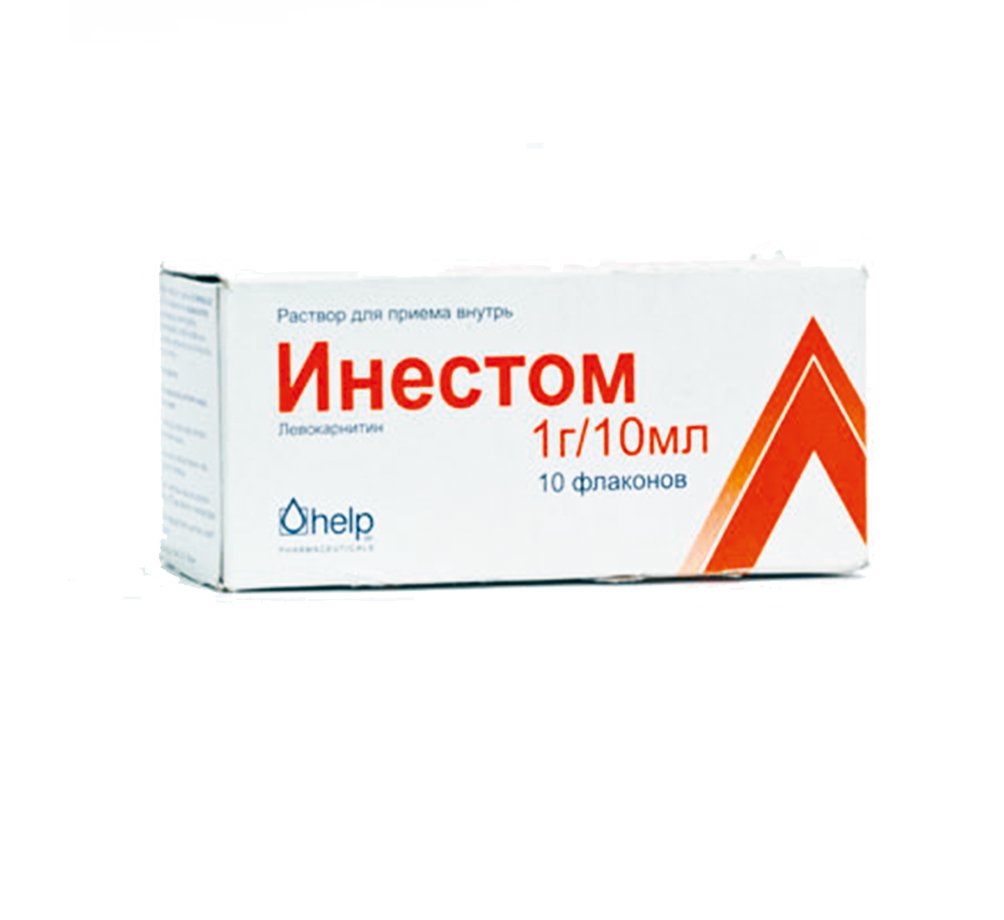
INESTOM 1g / 10ml № 10
Field of Activity:
Application:
Inestom International nonproprietary name Levocarnitine Dosage form Oral solution, 1 g/10 ml Compound 1 ml of the drug contains active substance - levocarnitine 100.0 mg, Excipients: malic acid, methylparaben (E 218), propylparaben (E 216), sodium saccharin dihydrate, orange flavor, purified water. Description Transparent solution from colorless to yellowish. Pharmacotherapeutic group Other drugs for the treatment of gastrointestinal diseases and metabolic disorders. Amino acids and their derivatives. Levocarnitine. ATX code A16AA01 Pharmacological properties Pharmacokinetics After ingestion, levocarnitine (L-carnitine), as a result of the action of intestinal flora, is metabolized into trimethylamine (TMA) and γ-butyrobetaine. Approximately 10-20% of levocarnitine reaches the systemic circulation unchanged. Therefore, it is believed that intestinal metabolism is responsible for the elimination of 80-90% of an orally administered dose. Both metabolites, TMA and γ-butyrobetaine, are absorbed in the small intestine. γ-butyrobetaine is excreted unchanged in urine, while TMA is metabolized in the liver to trimethylamine-N-oxide (TMAO) and is found in urine, mainly as TMAO, with small amounts as unchanged TMA. In cases of hemocatharsis (blood purification), end-stage renal failure or chronic use of levocarnitine, the amount of TMA and TMAO in the blood increases and, as a consequence, the amount of TMA in the urine increases. Levocarnitine, after absorption through the intestines, reaches its maximum concentration in the blood after 3 hours. High levels of levocarnitine are maintained in the blood plasma for 9 hours. Excreted by the kidneys, more than 80% of the dose taken remains unchanged within 24 hours. Levocarnitine can be found in muscles and organ parenchyma. Pharmacodynamics Levocarnitine is present as a natural component in the tissues of animals, microorganisms and plants. In the human body, the requirements for normal metabolism are met through the consumption of foods containing carnitine, as well as through endogenous synthesis in the liver and kidneys from lysine and methionine, which are donors of the methyl group. Only the L-isomer of carnitine (levocarnitine) is biologically active and plays a major role in lipid metabolism, In the metabolism of ketone bodies, as a link in the amino acid chain. Levocarnitine is involved in the transport of long-chain fatty acids in mitochondria (promotes the oxidation of fatty acids), that is, it participates as a carrier of fatty acids across cell membranes from the cytoplasm to the mitochondria, where it undergoes the process of beta-oxidation with the formation of a large amount of metabolic energy in the form of ATP. Левокарнитин улучшает работу цикла Кребса (путем освобождения СоА, действия СоА, при участии фермента карнитин-ацилтрансферазы), стимулирует активность пируват дегидрогеназы в скелетных мышцах и окисление разветвленных звеньев цепи аминокислот. Таким образом, левокарнитин прямо или косвенно включается в различные процессы обмена веществ и является важным фактором не только окисления жирных кислот и кетоновых тел, но также глюкозы и некоторых аминокислот. Indications for use - primary and secondary levocarnitine deficiency in adults and children over 12 years of age Directions for use and doses The drug is taken orally, the solution can be drunk without dilution or diluted in 100 ml of chilled boiled water or fruit juice. To determine the optimal dose, it is recommended to monitor therapy by measuring the levels of free and acyl levocarnitine in blood plasma and urine. The level of free levocarnitine in the blood plasma should be 35 - 60 mol/l. The ratio of acyl levocarnitine to the level of free levocarnitine in blood plasma should not be higher than 0.35. Adults and children over 12 years old Primary and secondary levocarnitine deficiency: recommended doses Inestomas depend on the metabolic disorder and the severity during the treatment period. In most cases, the recommended oral dose is 100-200 mg/kg/day in 2-4 divided doses. If clinical and biochemical parameters do not improve, the dose may be increased for a short time. High doses up to 400 mg/kg/day may be necessary for acute metabolic decompensation In case of secondary carnitine deficiency in patients with end-stage chronic renal failure receiving hemodialysis: if significant clinical improvement was achieved after the first course of intravenous use of Inest, maintenance therapy with Inest, oral solution, is prescribed at a dose of 1 g/day. Side effects Side effects are not observed when using Inest, as prescribed by the doctor. Rarely - nausea, vomiting, abdominal pain, diarrhea Reducing the dose leads to elimination of side effects. - muscle weakness, cramps in patients with uremia - allergic reactions (skin itching, skin rash, urticaria, Quincke's edema, anaphylactic shock) - specific body odor - increase in INR (International Normalized Ratio) when used together with coumarins (acenocoumarol or warfarin) Contraindications - hypersensitivity to the components of the drug - children's age up to 12 years Drug interactions Prescribing Inestoma to patients with diabetes mellitus receiving insulin or oral hypoglycemic drugs may cause hypoglycemia due to increased glucose absorption. Therefore, in this category of patients, during treatment with Inest, the level of glucose in the blood plasma should be constantly monitored to correct the dosage regimen of hypoglycemic drugs. Glucocorticosteroids contribute to the accumulation of the drug in tissues (except the liver). Lipoic acid and anabolic steroids enhance the effect of levocarnitine. There have been very rare reports of increased INR in patients receiving coumarin anticoagulants together with levocarnitine. Patients receiving such anticoagulants concomitantly with levocarnitine should have their INR or other appropriate coagulation test monitored weekly until stabilized and monthly thereafter. If you use any other medications together with Inestom, you must inform your doctor about this. Special instructions Inestome is not addictive or addictive because it is a natural component of the body. Tolerance to the drug should be monitored during the first week of treatment and after each dose increase. Ingestion of high doses of Inestoma is not recommended for patients with severely impaired renal function or those on dialysis in end-stage renal disease, this may lead to the accumulation of potentially toxic metabolites trimethylamine (TMA) and trimethyl-N-oxide (TMAO), which are usually excreted in the urine . This can cause a "fishy odor" in urine, breath and sweat. This situation is not observed after intravenous administration
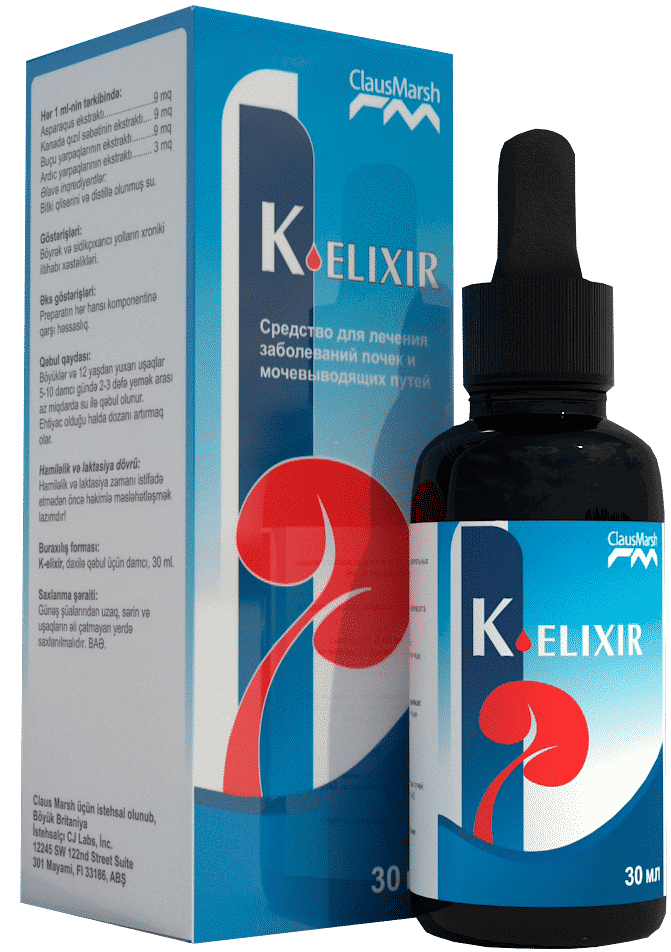
K-ELIXIR 30 ML (DROPS)
Field of Activity:
Application:
K-Elixir 30 ml (drops) A herbal complex of extracts of goldenrod, asparagus, juniper and buchu leaves for the treatment and prevention of inflammatory diseases of the kidneys and urinary tract. K-Elixir has antibacterial and anti-inflammatory, antispasmodic and mild diuretic effects on the genitourinary tract. Ingredients: Goldenrod extract – 9 mg, Asparagus (asparagus) extract – 9 mg, Buchu leaf extract – 9 mg, Juniper leaf extract – 3 mg Pharmacological features: A combined herbal medicine that has a complex effect on the functions of the kidneys and urinary tract: uroseptic, urospasmolytic, anti-inflammatory, litholytic and diuretic Canadian goldenrod extract – exhibits antibacterial, antispasmodic, anti-inflammatory, litholytic and diuretic properties. The litholytic effect is manifested by normalizing water-salt metabolism and acid-base balance. The extract is especially active against uraturia and oxalaturia, and to a lesser extent against phosphaturia. Reduces the amount of nitrogen in the blood and changes the pH of urine. The bacteriostatic effect is most pronounced against gram-positive bacteria of the genus Staphylococcus, Streptococcus, Enterococcus. The extract potentiates the effect of antibiotics when used together. Anti-inflammatory, diuretic and antispasmodic effects are manifested due to the presence of flavonoids, saponins and alkaloids. By improving blood microcirculation in the tissues of the prostate gland, it has a prostatotropic effect. Asparagus racemosus extract (asparagus) - Has diuretic and anti-inflammatory effects. Without changing the filtration capacity of the renal glomeruli, it significantly reduces the reabsorption function of the convoluted tubules of the kidneys Buchu leaf extract - has a mild diuretic, antiseptic and anti-inflammatory effect. The pyogenic properties are associated with the content of flavonoids in the leaves, and the antiseptic properties are associated with diosphenol. Juniper leaf extract - has a diuretic effect on edema, which is associated with the presence of essential oil and terpineol contained in it, which enhances filtration in the renal glomeruli and inhibits the reverse resorption of sodium and chlorine ions in the convoluted tubules of the kidneys. Has a phosphatolytic effect. Indications: Mono-/complex therapy, maintenance and anti-relapse therapy of chronic inflammatory diseases of the kidneys and urinary tract: pyelonephritis, cystitis, urethritis Prevention and complex treatment, anti-relapse therapy of urolithiasis (uraturia, oxalaturia, phosphaturia), including after operations to remove stones. Treatment and prevention of urinary tract infections (bacteriuria, cystitis, pyelonephritis) during pregnancy, prevention and complex therapy of gestosis Complex therapy of kidney diseases in diabetes mellitus Complex treatment and prevention of nephritis in children. Polycystic kidney disease Complex treatment of chronic prostatitis Contraindications: Individual intolerance to the components of the drug. Dosage: 1-3 years - 5 drops 2 times a day in a small volume of water 3 g–6 years – 5 drops 2-3 times a day in a small volume of water 6-12 years – 5-7 drops – 2-3 times a day in a small volume of water 12 years and older – 5-10 drops 2-3 times a day in a small volume of water Depending on the severity of the condition, the dose can be increased to 10-15 drops 3-4 times a day in a small volume of water. Take between meals for 7-10 days. Release form: bottle, drops 30 ml Manufacturer: Alpha Laboratories Inc. Miami - Florida.
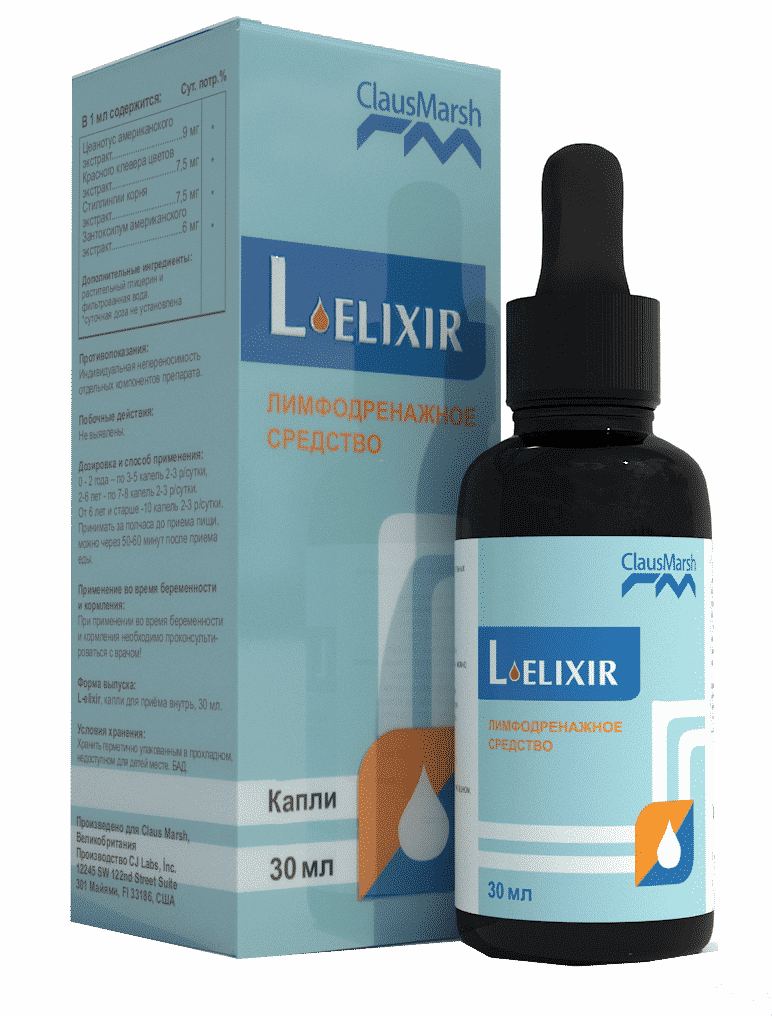
L-ELIXIR 30 ML (DROPS)
Field of Activity:
Application:
Complex lymphatic drainage preparation. L-elexir stimulates metabolism, improves lymphatic drainage from tissues, increases the barrier functions of lymph nodes, and enhances the elimination of toxic substances from the intercellular environment. L-Elixir Compound: 1 ml of solution contains: Ceanothus americana extract…………………… 9 mg Red clover flowers extract…………………. 7.5 mg Stillingia root extract………………………… 7.5 mg Zanthoxylum American extract……………….. 6 mg Pharmachologic effect: L-elixir has decongestant, lymphatic drainage, immunomodulatory, detoxification and anti-inflammatory effects. L-elixir stimulates metabolism, improves lymphatic drainage of tissues, increases the barrier functions of lymph nodes, and enhances the elimination of toxic substances from the intercellular environment. As a result, the interaction between cells of the endocrine, immune and nervous systems improves. Also, by activating the intestinal lymphatic system, L-elixir creates the prerequisites for strengthening local immunity, both of the intestinal mucosa and the mucous membranes of other organs. Under the influence of L-elixira, the delivery of other drugs to the affected areas is accelerated, which makes it possible to reduce the doses of drugs taken and reduce the toxic effect of drugs on the body. Indications: -Lymphadenopathy, chronic tonsillitis, tonsil hypertrophy, mesoadenitis; -Thimomegaly (complex treatment); -Various infectious intoxications (tuberculous, tonsillogenic, and others); -Exudative-catarrhal, lymphatic-hypoplastic diathesis; -Diseases accompanied by immunodeficiency; -Drug intoxication; -Diabetes mellitus with the occurrence of polyneuropathy; - Perineural edema; -Lymphatism (including elephantiasis); -Lymphatic edema (post-traumatic, post-mastectomy, post-operative); -Dysbiosis; -Renal, cardiac edema; Dosage and method of application: Newborns and children under 2 years old - 3-5 drops 2-3 times a day, Children from 2 to 6 years old - 7-8 drops 2-3 times a day. Children over 6 years old and adults – 10 drops 2-3 times a day. L-elixir is taken sublingually. The drug can be dissolved in 5-10 ml of ordinary water (1-2 teaspoons). Take half an hour before meals, or 50-60 minutes after meals. The daily dose of the drug prescribed by the doctor can be diluted in 250 ml of water and drunk in small sips throughout the day (the liquid must be retained in the mouth). Contraindications: Individual hypersensitivity to the components of the drug. When using the drug in During pregnancy and lactation, consultation with a doctor is necessary. Side effects: There are no reports of side effects at this time. Interaction with other drugs: L-elixir is combined with other medications. Overdose: To date, no data on overdose symptoms have been reported. Release form: L-elixir, drops for oral administration, 30 ml. Not a medicine. Dietary supplement Conditions for dispensing from pharmacies: Dispensed without a doctor's prescription. Storage conditions: Store tightly packaged in a cool place, out of reach of children. Manufactured for Claus Marsh, UK Manufactured by CJ Labs, Inc., USA
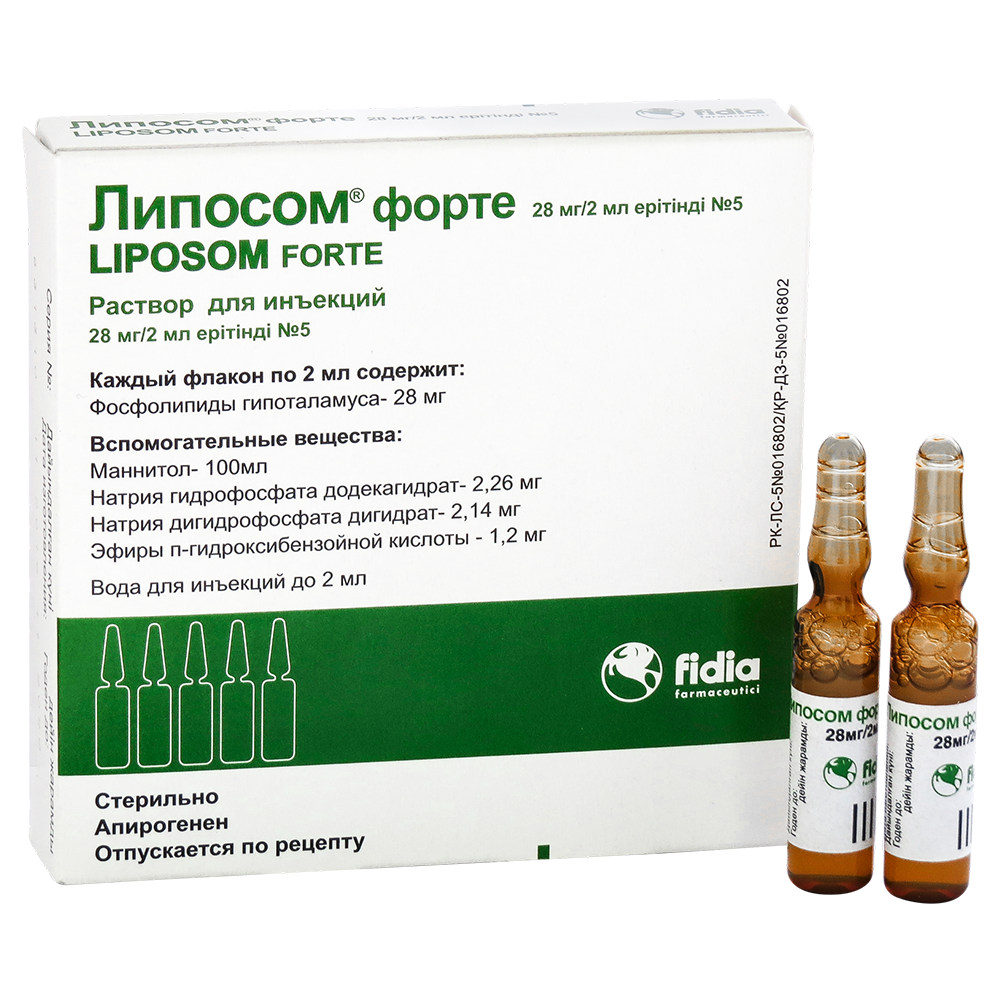
LIPOSOM FORTE
Field of Activity:
Application:
Liposome® forte International nonproprietary name No Dosage form Solution for injection, 28mg/2ml Compound 2 ml of solution contain active substance - hypothalamic phospholipids 28.0 mg, excipients: mannitol, sodium hydrogen phosphate dodecahydrate, sodium dihydrogen phosphate dihydrate, esters p-hydroxybenzoic acid, water for injection. Description White to cream-colored opalescent solution with a characteristic odor. Pharmacotherapeutic group Drugs for the treatment of diseases of the nervous system. Other psychostimulants and nootropics. ATX code N06ВХ Pharmacological properties Pharmacokinetics After administration of the drug parenterally, metabolic processes were studied both in terms of assessing total radioactivity and at the cellular level. Research data shows that the molecules are stable in the blood and reach brain cells. Pharmacodynamics Parenteral administration of hypothalamic phospholipids can activate hypothalamic metabolism by increasing the turnover of dopamine, tyrosine hydroxylase and adenylate cyclase with subsequent accumulation of cyclic AMP. This pharmacological effect is reflected especially on the functions of the hypothalamic-pituitary system. By influencing the physicochemical properties of neuronal membranes, hypothalamic phospholipids alter the adaptation of central neuron receptors to treatment. Indications for use An adjuvant in the treatment of metabolic cerebral disorders due to neuroendocrine disorders. Directions for use and doses Liposome® forte is administered 2 ml intramuscularly or intravenously 1 per day. The course of treatment is determined by the doctor individually. Side effects No adverse side effects were detected. If side effects occur that are not listed in the instructions, you should consult a doctor. - allergic reactions (skin itching, urticaria, rash) Contraindications - established hypersensitivity to the components of the drug - presence of infection or damage to the skin in the area injections Drug interactions Clinically significant interactions of the drug with other drugs have not been established. Liposome® forte can be administered simultaneously with other pharmaceutical products and, in particular, with antipsychotics, with drugs against hyperprolactinemia, with tricyclic antidepressants (reduces the delay of action and increases efficiency) and with cardiac drugs. Special instructions The drug does not entail any special warnings or precautions for use. Do not use the drug with damaged or opened packaging. Use in pediatrics The drug is not recommended for use in children due to the lack of data on the safety and effectiveness of use in pediatrics. Pregnancy and lactation During pregnancy and lactation (breastfeeding), the drug should be used under strict medical supervision. Features of the effect of the drug on the ability to drive vehicles and potentially dangerous mechanisms Liposome® forte does not affect a person’s ability to drive vehicles or engage in other potentially hazardous activities that require increased concentration and speed of psychomotor reactions. Overdose No overdose symptoms were identified when treated with recommended doses. In case of accidental overdose, treatment is symptomatic. Release form and packaging Injection solution for intramuscular or intravenous use. 2 ml in orange glass ampoules type I. 5 ampoules each in a blister pack made of polyvinyl chloride film. 1 blister pack together with instructions for medical use in the state and Russian languages are placed in a cardboard box. Storage conditions Store at a temperature not exceeding 25°C. Keep out of the reach of children! Conditions for dispensing from pharmacies On prescription Manufacturer/Packager Fidia Pharmaceutisi S.P.A. 35031, Abano Terme, Via Ponte della Fabbrica, Z/A, Italy Registration Certificate Holder Fidia Pharmaceutisi S.P.A. 35031, Abano Terme, Via Ponte della Fabbrica, Z/A, Italy
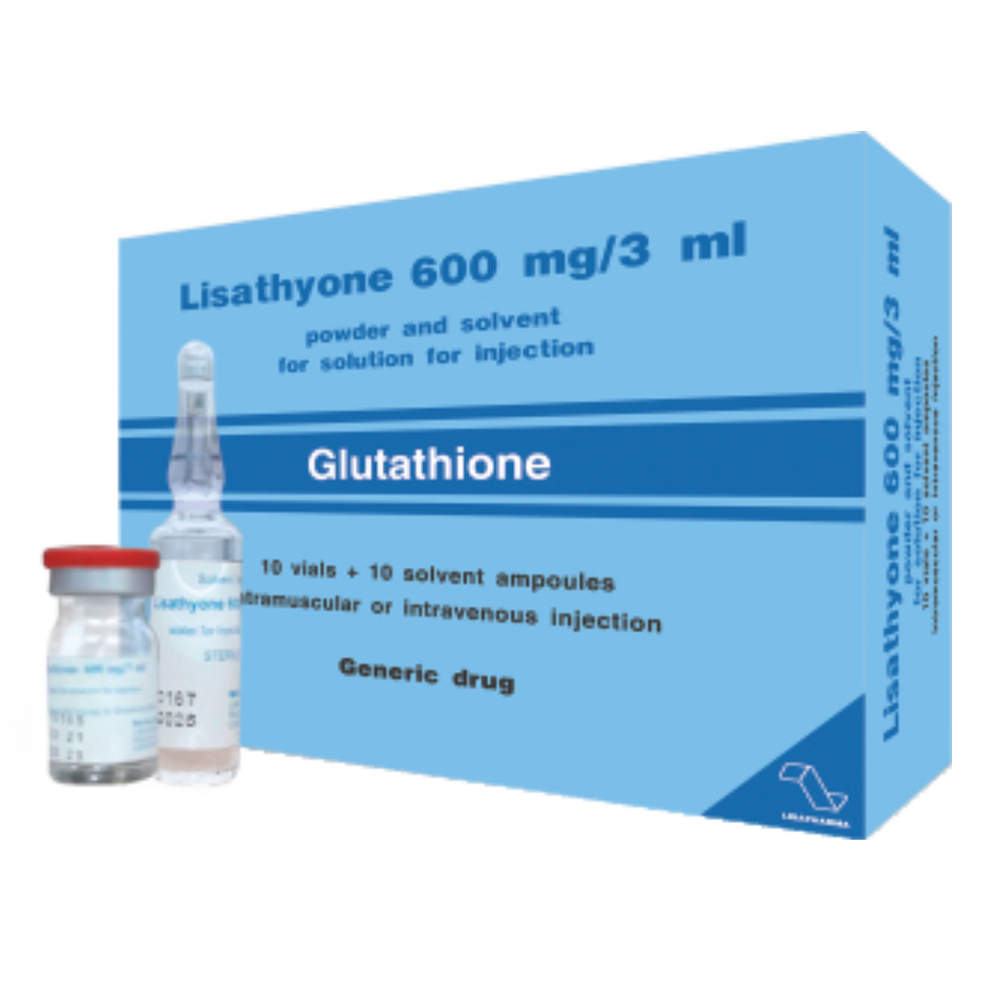
LISATHYONE
Field of Activity:
Application:
Glutathione 600mg/3ml ATX Code: V03AB32(Glutathione) Pharmacotherapeutic group: Detoxifying agent Pharmachologic effect: Glutathione is a linear tripeptide with a sulfhydryl group, which includes L-glutamine, L-cysteine and glycine. It plays an important function in protecting body cells, being a strong antioxidant. There is a shortage in the human body glutathione leads to the occurrence of many diseases, such as Parkinson's disease, type I tyrosinemia, alcohol poisoning and others. In vivo and in vitro experiments have shown that glutathione deficiency can lead to mitochondrial damage and cell death caused by an increase in the number of toxic forms of oxygen, leading to an increase in the number of free radicals. Pharmacokinetics 15 minutes after an intravenous infusion of 2 g of glutathione, the average concentration of glutathione in the blood is 444 mmol/L (the average physiological concentration of glutathione in the blood is 6.9 mmol/L). Distribution volume - 15 l. The half-life is 10 minutes. Clearance - 850 ml/min. Excreted in urine unchanged or as cysteine 90 minutes after infusion. Dosage regimen For intravenous administration, the contents of the bottle are dissolved in 250-500 ml of 0.9% sodium chloride solution. The drug solution is used immediately after preparation; reuse of the remaining solution is not allowed. For severe forms of hepatitis of various etiologies - 1.2-2.4 g intravenously per day for 30 days in the form of infusions. For alcoholic hepatitis - 1.8 g intravenously per day for 14-30 days in the form of infusions. For alcoholic cirrhosis, 1.2 g intravenously per day for 30 days as an infusion. For hepatic steatosis - 1.8 g intravenously per day for 30 days in the form of infusions. Contraindications for use · childhood; · individual intolerance to the components of the drug. With caution: old age (the drug should be prescribed in reduced doses with careful monitoring of the condition). Terms of sale On prescription. Name and address of the organization receiving complaints (suggestions) regarding the quality of medicines: Representative office of “Delotta LTD” Tashkent, Mirabad district, Afrosiab street 4 B, office 307 A. Phone +998712059900 Manufacturer: Laboratorio Italiano Biochimico Farmaceutico Lisapharma S.P.A. ViaLicinio 11 – 22036 Erba (Co) – Italy
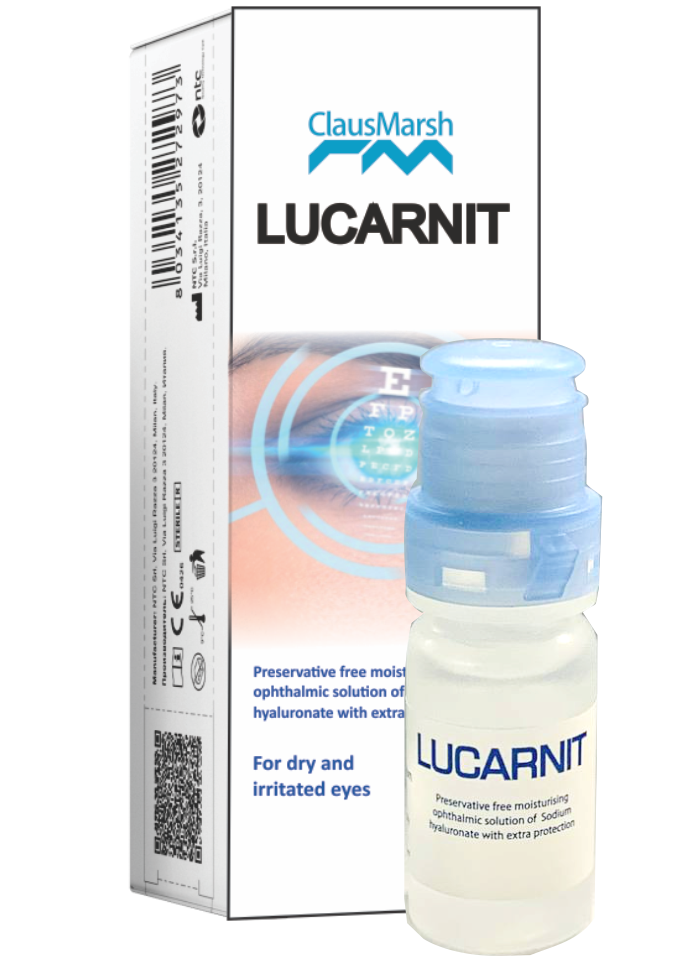
LUCARNIT
Field of Activity:
Application:
Lucarnit is a sterile ophthalmic solution. Composition: L-carnitine 0.25%, sodium hyaluronate 0.7%. Indications: Lucarnit - designed to provide long-term eye protection thanks to the combination of a high concentration of sodium hyaluronate and levocarnit. Lucarnit - thanks to the gel composition of the condensed formula, long-term irritation caused by external factors such as wind, sun, dry air, salt water, smoke, excessive lighting, heating, air conditioning; dry eye syndrome; eliminates foreign body and burning sensation in the eyes. Long-term use of a computer and tablet, post-ocular surgery; It is successfully used for eye discomfort due to prolonged, frequent wearing of contact lenses. Recommendations for use: Instill 1-2 drops into the affected eye 3-4 times a day, lightly pressing on the body of the bottle. Once the liquid has reached less than half of the bottle, apply a little more pressure to the body of the bottle to release the drop. Please note that excessive pressure may cause the solution to flow out in a stream rather than a trickle. Release form: sterile ophthalmic solution in a 10 ml bottle. Manufacturer: Italy
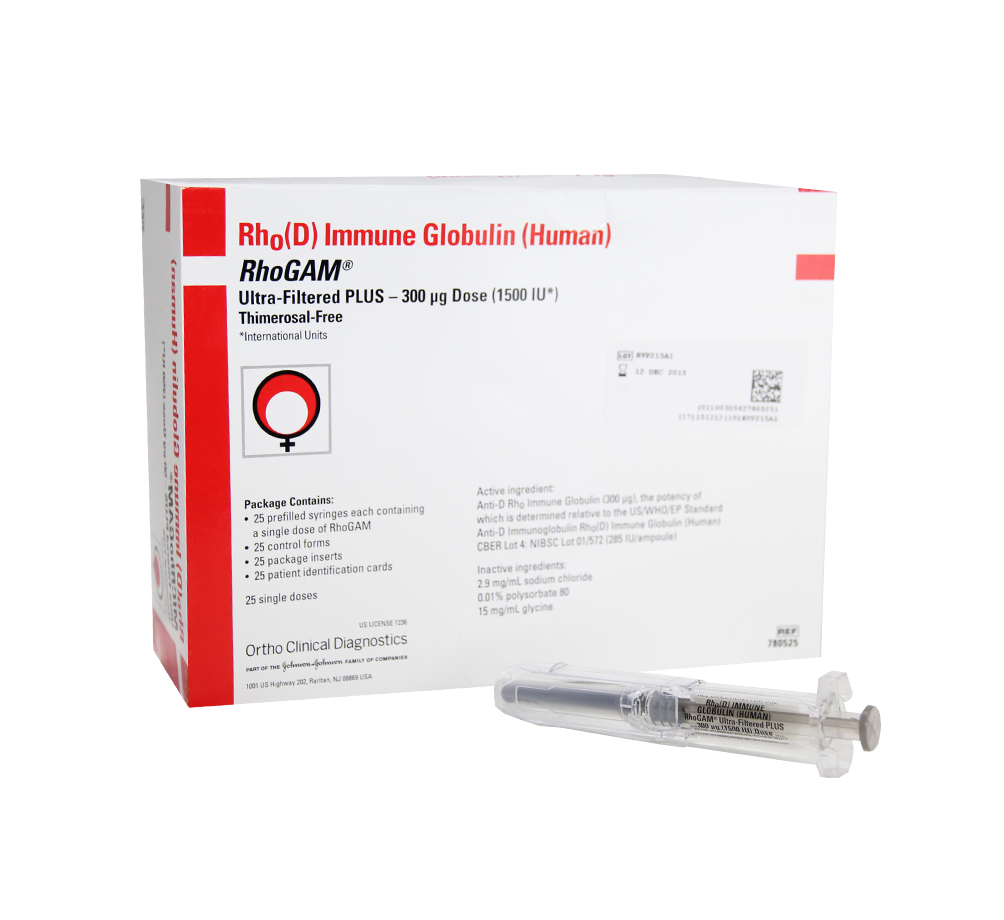
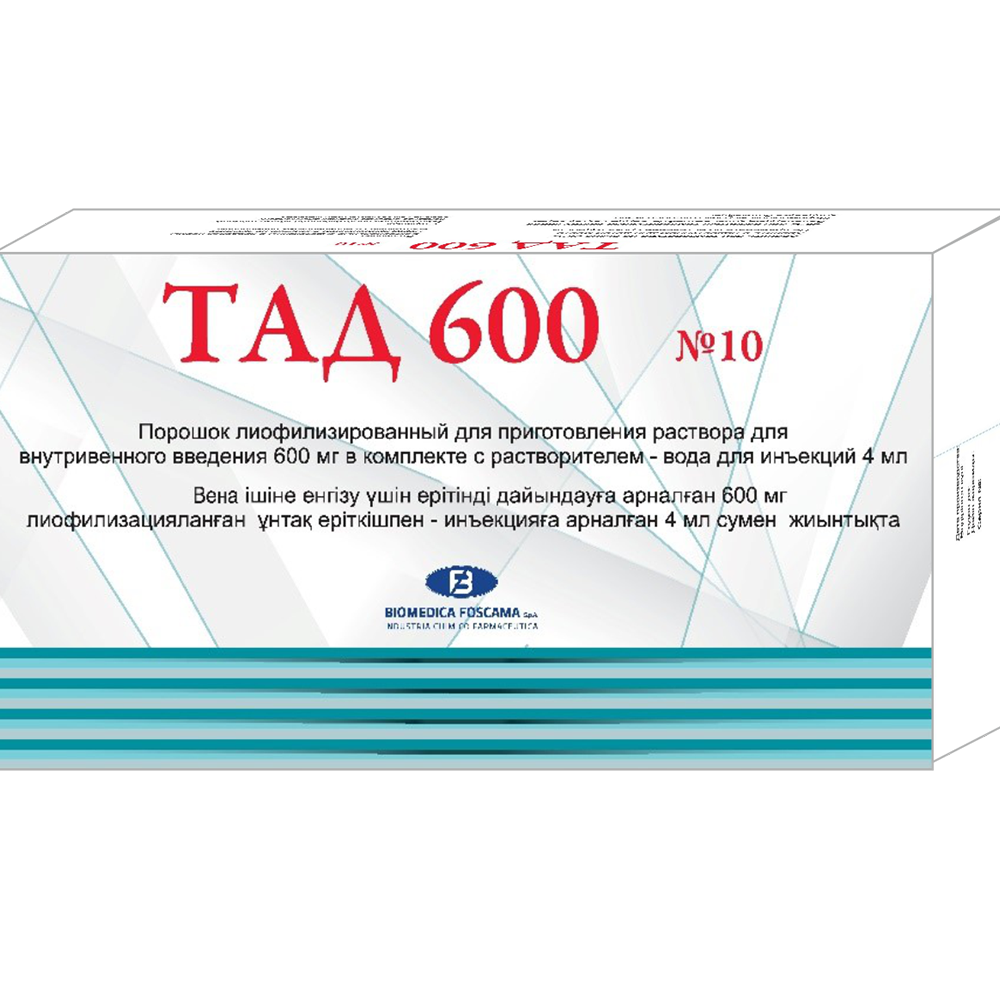
TAD 600
Field of Activity:
Application:
Trade name TAD 600 Dosage form, dosage Lyophilized powder for the preparation of solution for intravenous administration complete with solvent – water for injection, 600 mg/4 ml Pharmacotherapeutic group Other drugs. All other therapeutic drugs. Antidotes. Glutadione. ATX code V03AB32 Indications for use - prevention of neurotoxicity during chemotherapy with cisplatin or other related compounds List of information required before use Contraindications - hypersensitivity to the active substances or to any of the excipients Necessary precautions for use In case of adverse reactions during intravenous administration, use of the drug should be discontinued immediately. Warning: For a drug intended for parenteral use, a visual inspection should be made before use in order to, if possible, determine the presence of particles or deviations in the color of the drug. Do not use if there is turbidity or precipitation. Use in children Данные по безопасности и эффективности лекарственного средства у детей и подростков до 18 лет отсутствуют. Special Warnings Fertility, pregnancy and lactation Available evidence shows that glutathione, being a substance physiologically present in cells, does not cause adverse effects in women during pregnancy or breastfeeding. Preclinical studies do not indicate direct or indirect harmful effects regarding pregnancy, embryonic/embryonic development, childbirth or postnatal development. Features of the drug's influence on the ability to drive a vehicle or potentially dangerous mechanisms TAD 600 has no or negligible effect on performance associated with driving or using machinery. The daily dose of TAD 600 usually recommended for patients receiving chemotherapy with cisplatin and related compounds is 1.5 g/m² (equivalent to 2.5 g) by slow intravenous infusion. The dose, however, depends on the age, weight and clinical condition of the patient, as well as on the dose and schedule of administration of chemotherapeutic agents. In the case of simultaneous use of glutathione and a chemotherapy agent, an intravenous infusion of TAD 600 should be performed 15-30 minutes before the start of chemotherapy. In case of long-term treatment, it is possible to reduce the dose of the drug (600 mg or 300 mg), which can be administered intramuscularly or slowly intravenously. Method and route of administration For intravenous administration. Measures to be taken in case of overdose Symptoms: no cases of overdose have been reported. Treatment: if necessary, symptomatic treatment is carried out. Recommendations for seeking advice from a healthcare professional to explain how to use the drug Ask your doctor or pharmacist for advice before taking this medicine. Description of adverse reactions that occur with standard use of drugs and measures that should be taken in this case Rare cases of skin rash have been reported following intramuscular administration and disappear after discontinuation of treatment. Mild pain at the injection site has also been reported. As with all solutions for intravenous infusion, febrile reactions, injection site infections, venous thrombosis or phlebitis, and extravasation may occur. In the event of an immediate adverse reaction during intravenous infusion, the administration of the drug should be interrupted immediately and, if possible, the unused remaining liquid should be saved for examination. If adverse drug reactions occur, contact your healthcare professional, pharmacist, or directly to the information database on adverse drug reactions (actions), including reports of drug ineffectiveness RSE on REM "National Center for Expertise of Medicines and Medical Devices" of the Committee for Medical and Pharmaceutical Control of the Ministry of Health of the Republic of Kazakhstan additional information Composition of the medicinal product One bottle contains: active substance: reduced glutathione sodium salt - 0.646 g, corresponds to 600 mg reduced glutathione one ampoule with solvent contains: water for injection Release form and packaging 0.646 g of the drug is placed in a transparent glass bottle, sealed with a rubber stopper and sealed with an aluminum cap. 4 ml of solvent are poured into transparent glass ampoules. Self-adhesive labels are placed on the bottles. 10 bottles of the drug together with 10 ampoules of solvent and instructions for medical use in Kazakh and Russian are placed in a cardboard pack. Do not use after the expiration date. Storage conditions Store at a temperature not exceeding 25ºС. Keep out of the reach of children! Conditions for dispensing from a pharmacy On prescription Manufacturer information Biomedica Foscama Industria Chimico Farmaceutica S.p.A., Ferentino, Italy Name, address and contact details (telephone, fax, e-mail) of the organization on the territory of the Republic of Kazakhstan that accepts complaints (suggestions) regarding the quality of medicinal products from consumers and is responsible for post-registration monitoring of the safety of the medicinal product Representative office of the closed joint stock company "Claus Marsh Ltd" in the Republic of Kazakhstan Almaty, 050012 Almaly district, Tole Bi street, 83
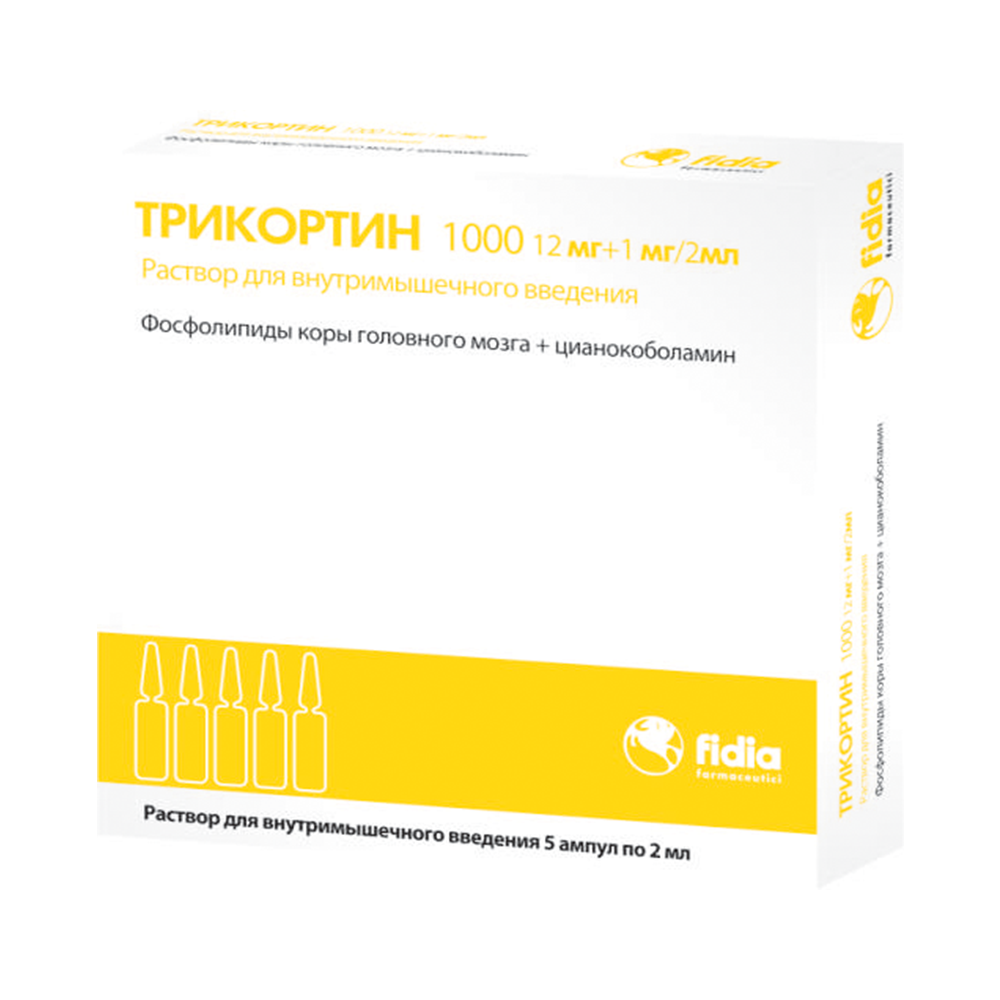
TRICORTIN
Field of Activity:
Application:
Indications for use - polymyalgic neurosis syndrome Directions for use and doses 2 ml is administered intramuscularly once a day as prescribed by the doctor. Side effects There have been no reported side effects that could be attributed to this drug. Overdose No overdose symptoms were reported. Contraindications - hypersensitivity to the components of the drug or other substances, similar in chemical structure - children and adolescents up to 18 years of age Drug interactions There have been no reports of interactions with other drugs. There are no known cases of incompatibility of TRICORTIN® with other drugs. Special instructions Pregnancy and lactation The drug can be administered during pregnancy and lactation under the direct supervision of a physician. Features of the drug's influence on the ability to drive a vehicle or potentially dangerous machinery The drug does not affect the ability to drive a car or operate machinery. Release form and packaging 2 ml in orange glass ampoules type I, with a breaking point. 5 ampoules per blister pack made of polyvinyl chloride film. 1 blister pack together with instructions for medical use in the state and Russian languages are placed in a cardboard box. Storage conditions Store at a temperature not exceeding 25°C Keep out of the reach of children! Shelf life 2 years Do not use after the expiration date! Conditions for dispensing from pharmacies On prescription Manufacturer/Packager Fidia Pharmaceutisi S.P.A., 35031, Abano Terme, Via Ponte della Fabbrica, 3/A, Italy Registration Certificate Holder Fidia Pharmaceutisi S.P.A., 35031, Abano Terme, Via Ponte della Fabbrica, 3/A, Italy
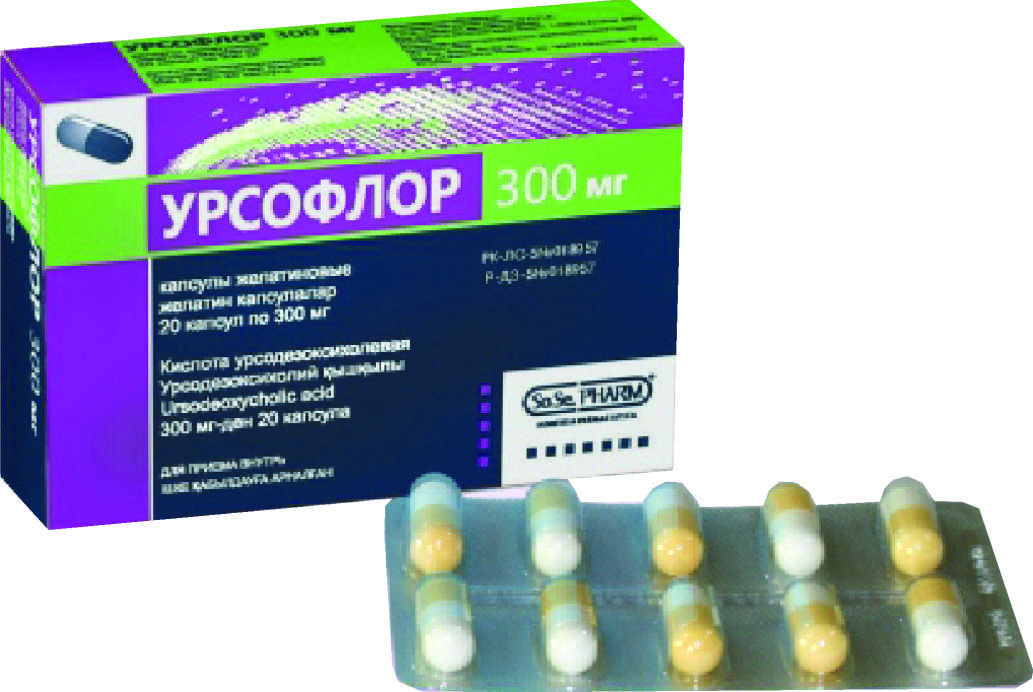
URSOFLOR 200mg
Field of Activity:
Application:
Ursoflor International nonproprietary name Ursodeoxycholic acid Dosage form Gelatin capsules 300 mg Compound One tablet contains active substance – ursodeoxycholic acid 300.00 mg, excipients: corn starch, anhydrous colloidal silicon dioxide, magnesium stearate, gelatin capsule composition: titanium dioxide (E171), iron oxide (III) yellow (E172), gelatin. Description Hard gelatin capsules with a white body and a yellow cap, size No. 0, the contents of the capsules are white powder. Pharmacotherapeutic group Preparations for the treatment of diseases of the biliary tract. Bile acid preparations. Ursodeoxycholic acid. ATX code A05AA02 Pharmacological properties Pharmacokinetics After oral administration, ursodeoxycholic acid is rapidly absorbed in the small intestine and the beginning of the ileum by passive transport and at the end of the ileum by active transport. The absorption rate is typically 60-80%. After absorption, bile acid undergoes almost complete conjugation in the liver with the amino acids taurine and glycine, and is then excreted in the bile. The first clearance through the liver reaches 60%. Depending on the daily dose and the existing liver disorder or condition, more and more hydrophilic ursodeoxycholic acid accumulates in the bile. At the same time, there is a relative decrease in the content of other, more lipophilic bile acids. Under the influence of intestinal bacteria, the drug is partially broken down into 7-keto-lithocholic acid and lithocholic acid. Lithocholic acid is hepatotoxic and can cause parenchymal liver lesions in some animal species. In humans, a very small amount is absorbed, which is sulfated in the liver and thus detoxified before being excreted in the bile or ultimately in the feces. The biological half-life of ursodeoxycholic acid is 3.5-5.8 days. Pharmacodynamics Ursoflor - a hepatoprotector has a choleretic effect. Reduces cholesterol synthesis in the liver, its absorption in the intestines and concentration in bile, increases the solubility of cholesterol in the biliary system, stimulates the formation and excretion of bile. Possessing high polar properties, UDCA forms non-toxic mixed micelles with apolar (toxic) bile acids, which reduces the ability of gastric reflux to damage cell membranes. In addition, UDCA forms double molecules that can be incorporated into cell membranes, stabilize them and make them immune to the action of cytotoxic micelles. Reduces the saturation of bile with cholesterol by inhibiting its absorption in the intestine, suppressing synthesis in the liver and reducing secretion into bile; increases the solubility of cholesterol in bile, forming liquid crystals with them; reduces the lithogenic index of bile. The result is the dissolution of cholesterol gallstones and the prevention of the formation of new stones. In addition, UDCA forms double molecules that can be incorporated into cell membranes, stabilize them and make them immune to the action of cytotoxic micelles. Reduces the saturation of bile with cholesterol by inhibiting its absorption in the intestine, suppressing synthesis in the liver and reducing secretion into bile; increases the solubility of cholesterol in bile, forming liquid crystals with them; reduces the lithogenic index of bile. The result is the dissolution of cholesterol gallstones and the prevention of the formation of new stones Indications for use - treatment of primary biliary cirrhosis - dissolution of radiolucent gallstones in the gallbladder Directions for use and doses The dosage regimen and duration of treatment with Ursoflor are determined individually, depending on the severity of the disease. Ursoflor capsules are taken orally with food, without chewing, with a sufficient amount of water. Dissolution of cholesterol gallstones – всю суточную дозу принимают 1 раз перед сном в дозе от 10 мг/кг массы тела до 15 мг/кг (2-5 капсул). Длительность процесса растворения желчных камней при применении препарата составляет от 6 месяцев до 2 лет. Если через 6 месяцев не наблюдается уменьшения размеров желчных камней, прием препарата считается нецелесообразным. После полного растворения камней прием продолжают в суточной дозе 600 мг (2 капсулы) 1 раз в день перед сном еще 3 месяца (для профилактики рецидивов). Первичный билиарный цирроз – рекомендуемая доза 300 мг 2 раза в сутки (с учетом 14 + 2 мг/кг) в течение 3 месяцев. Дозировки для лечения пациентов педиатрического возраста не просматривались. Side effects Common (≥1/100, but <1/10 people) - pasty stool - diarrhea Very rare (< 1/10ˈ000 people) - severe pain in the abdominal area, on the right side, during treatment of primary biliary cirrhosis - calcification of gallstones - decompensation of liver cirrhosis, in the treatment of late stages of primary biliary cirrhosis, which partially regresses after discontinuation of the drug. - urticaria Contraindications - acute inflammatory diseases of the gallbladder or bile ducts, empyema of the gallbladder - obstruction of the bile ducts (common bile ducts or cystic ducts) - frequent episodes of hepatic colic - X-ray positive (high calcium) gallstones - disorders of gallbladder contractility - hypersensitivity to the components of the drug or bile acids - children with biliary atresia: unsuccessful portoenterostomy, normal bile flow is not restored - children and adolescents up to 18 years of age. Drug interactions Cholestyramine, cholestipol and antacids containing aluminum hydroxide or smectite (aluminum oxide) reduce the absorption of ursodeoxycholic acid in the intestine and thus reduce its absorption and effectiveness. If the use of drugs containing at least one of these substances is still necessary, they should be taken at least 2 hours before or after taking Ursoflor. Ursodeoxycholic acid may affect the absorption of cyclosporine from the intestine. Therefore, in patients taking cyclosporine, the physician should check the concentration of cyclosporine in the blood and adjust the dose of cyclosporine if necessary. In a clinical study in healthy volunteers, concomitant use of ursodeoxycholic acid (500 mg/day) and rosuvastatin (20 mg/day) resulted in slightly elevated plasma levels of rosuvastatin. The clinical significance of this interaction with other statins is unknown. In some cases, Ursoflor may reduce the absorption of ciprofloxacin. Ursodeoxycholic acid has been shown to reduce peak plasma concentrations (Cmax) and the area under the pharmacokinetic curve (AUC) of the calcium antagonist nitrendipine in healthy volunteers. Careful monitoring of the results of simultaneous use of nitrendipine and ursodeoxycholic acid is recommended. An increase in the
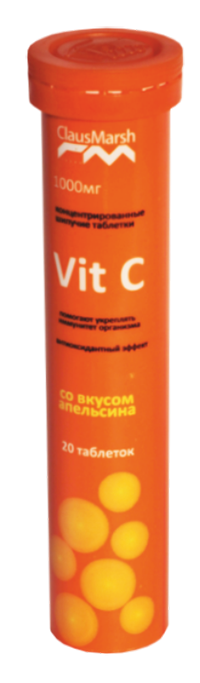
VITAMIN C No. 20 (effervescent tablets)
Field of Activity:
Application:
Vitamin C Ingredients: 20 effervescent tablets with orange flavor with Vitamin C, 1000 mg each. Additional Ingredients: Citric Acid, Ascorbic Acid, Acidity Regulator (Sodium Bicarbonate), Bulking Agent (Sorbitol), Polyethylene Glycol, Maltodextrin, Sweeteners (Aspartame, Acesulfame K), Gum, Natural Orange Flavor, Color (Riboflavin), Lime Flavor. Indications: as a dietary supplement as an additional source of Vitamin C. Dose of use: adults are recommended to take 500 mg/day, children aged 14 years and older 250 mg/day. Directions for use: dissolve one effervescent tablet in 200 ml of boiled, cooled water, adults take ½ glass per day, children aged 14 years and older take ¼ glass per day. Do not exceed the indicated daily allowance. Should not be used as a substitute for various diets or healthy lifestyles. Keep out of the reach of children! Store at temperatures between 15°C and 25°C. Storage conditions: it is recommended to store dissolved vitamins in the refrigerator at a temperature from +2° to +4C°, closed, for no more than 18-24 hours. Warnings: Close the cap tightly after use and store in a cool, dry place. Before first use, check that the protective cover is intact. Excessive consumption may cause a laxative effect. Shelf life – 2 years. The expiration date and batch number are indicated on the bottom of the tube. Manufacturer: Innopharma s.r.o.Mliečany 105 / Owner of the trademark and certificate registration is the company "Claus Marsh", Great Britain.
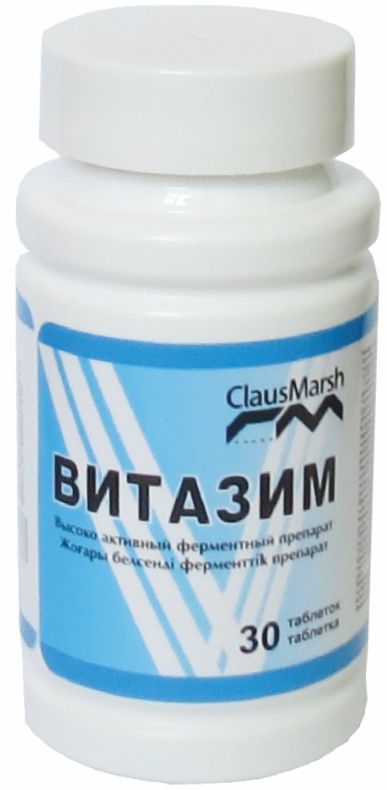
VITAZIM TABLETS №30
Field of Activity:
Application:
VITAZIM pills Compound: Each tablet contains: Pancreatin 200 mg, *; Protease enzyme 100 mg, *; Amylase enzyme 100 mg, *; Betaine hydrochloride 100 mg, *; Calcium (phosphate) 50 mg; Pepsin 1: 10,000 50 mg, *; Bromelain 1: 10-80 GDU 50 mg, *; Papain 50 mg, *; Ox bile 30 mg, *; Lipase enzyme 25 mg, *; Cellulase enzyme 10 mg, *. *Daily requirement has not been established. Other Ingredients: Cellulose, stearic acid, croscarmellose sodium, silicon dioxide, magnesium stearate. This product DOES NOT CONTAIN: citrus fruits, grains, eggs, dairy, soy, yeast, sugar additives, starch, synthetic dyes, artificial flavorings, gluten, sodium and preservatives. Pharmacological features: A multi-enzyme drug, which is a combination of highly active enzymes of animal and plant origin, as well as a hepatoprotector. Pepsin is one of the main proteolytic enzymes of the digestive tract. Pepsin breaks down proteins and stimulates the production of gastrin and cholecystokinin, which is an important link in the coordination of the regulation of digestion. Ox bile – enhances the production of bile and pancreatic juice, has a choleretic effect, promotes the digestion of fats and promotes the secretion of pancreatic lipase. Protease – participates in the breakdown of proteins. Amylase is involved in the breakdown of starch. Lipase, together with bile acids, breaks down food triglycerides into fatty acids and participates in the breakdown and absorption of fats. Cellulase is not synthesized by the human digestive system; it digests plant fibers (fiber) to form glucose and disaccharides. In addition, cellulase releases soluble fiber to bind cholesterol and toxins in the digestive tract. Bromelain is a proteolytic enzyme obtained from pineapple fruits and leaves; Its action is similar to that of pepsin and trypsin. Increases the activity of other enzymes, promotes the breakdown of protein foods and their absorption by the body. Bromelain also has the ability to break down fats, which is important in regulating fat metabolism. Papain is a proteolytic enzyme of plant origin, similar to the action of bromelain and used to improve digestion. Betaine hydrochloride is a lipotropic substance of plant origin. Activates lipid metabolism in the liver, normalizes the level of triglycerides in the blood, and participates in metabolic processes. It has a bile-forming and choleretic effect, normalizes the acidity of gastric contents. It is a hepatoprotector, helps prevent fatty liver degeneration and reduce blood cholesterol. Indications: Digestive disorders due to dietary errors (taking “heavy” fatty foods, diet, irregular meals, overeating), belching, nausea, heartburn, heaviness after eating, unpleasant taste in the mouth, flatulence. Directions for use and dosage: Adults and children over 12 years of age: 1 tablet with main meals 3 times a day. Use before the stated expiration date. Contraindications: Jaundice, intestinal obstruction, hypersensitivity to the components of the drug. Side effects: In case of individual intolerance to individual components of the drug, allergic reactions and diarrhea are possible. Storage conditions: Store at room temperature 15-250C, in a dry place, protected from light, out of reach of children. Not a medicine. Dietary supplement Dispensed without a doctor's prescription. Release form: Vitazim, tablets No. 30, in a bottle. Manufacturer: Gemini Pharmaceutical Inc., 87 Modular ave., Commack, NY 11725, USA. The owner of the trademark and certificate of registration is Claus Marsh, UK. Organization accepting claims in the Republic of Kazakhstan: Altes Pharm LLP, Almaty, st. Tolebi, 83, office 777. Tel: 8 (727) 292 27 08. SoGR KZ.16.01.97.003.E.000654.06.16 dated 06/23/2016